
Bali is known for beaches, temples, rice terraces, wellness retreats, and a strong visual identity. But those labels only help if they lead to better travel choices. A visitor who understands what Bali is famous for can decide which version of the island fits their time, budget, and energy.
The useful question is not only what Bali is known for. It is what each part of that reputation can actually do for your trip.
What Bali Is Known For in Practice

Bali’s reputation comes from contrast. You can spend a morning near a temple, eat lunch overlooking rice fields, and end the day by the sea. The island is compact compared with many destinations, yet its regions feel different enough to shape completely different holidays.
South Bali is known for beach clubs, surf breaks, restaurants, and nightlife. Ubud is known for art, yoga, rice terraces, and cultural access. East and north Bali are known for quieter roads, diving, volcano views, waterfalls, and coastal villages. These differences matter more than any single attraction list.
Match the Island to Your Travel Style
– Choose south Bali if convenience, dining, nightlife, and beach access matter most.
– Choose Ubud or central Bali for culture, craft villages, wellness, and inland scenery.
– Choose east Bali for slower travel, water palaces, diving, and a less crowded mood.
– Choose north Bali if you prefer waterfalls, coastal calm, and longer scenic drives.
– Add Nusa Penida only if you can handle early starts, boat transfers, and rugged roads.
Culture Is Not a Side Activity
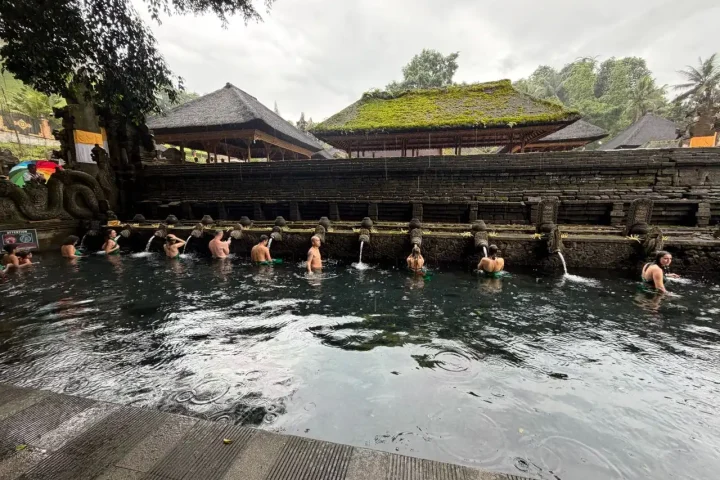
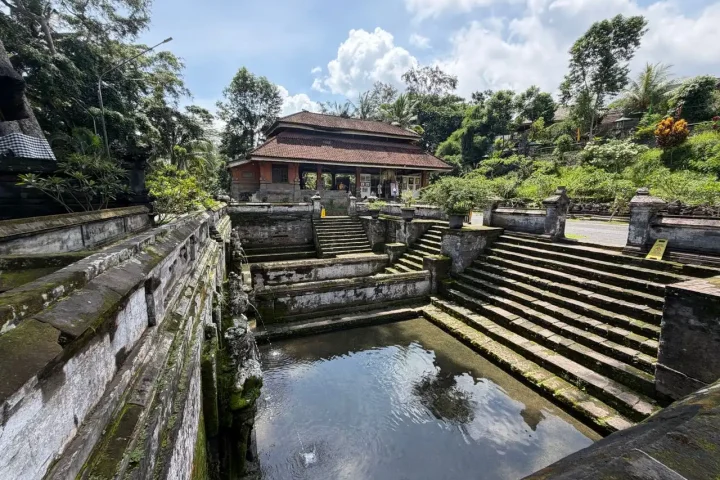
Bali is also known for ceremonies, offerings, temple architecture, dance, music, and community life. These are not performances created only for visitors. They are part of how local life is organized.
That is why respectful travel changes the quality of a Bali trip. Wear proper temple clothing, avoid interrupting prayer, do not step over offerings, and be patient when ceremonies affect traffic. These small choices help travelers experience the island more thoughtfully.
Why the Landscape Feels So Varied

Bali’s scenery changes quickly because the island includes beaches, cliffs, volcanic highlands, rice-growing regions, rivers, forests, and offshore islands. This variety is one reason travelers often underestimate driving time. The road between two beautiful places may pass through villages, hills, traffic, and narrow turns.
A strong itinerary uses those differences instead of fighting them. Group nearby experiences, keep long travel days intentional, and avoid expecting every area to deliver the same mood.
A Better Way to Describe Bali
Bali is known for beauty, but beauty is not the whole point. The island is memorable because it combines natural scenery, everyday ritual, hospitality, craft, food, and tourism infrastructure in a way that feels layered.
For readers planning a trip, the takeaway is practical: do not build a Bali itinerary from famous names alone. Build it from the kind of days you want to live while you are there. That choice will lead to a more satisfying trip than chasing every place Bali is known for.