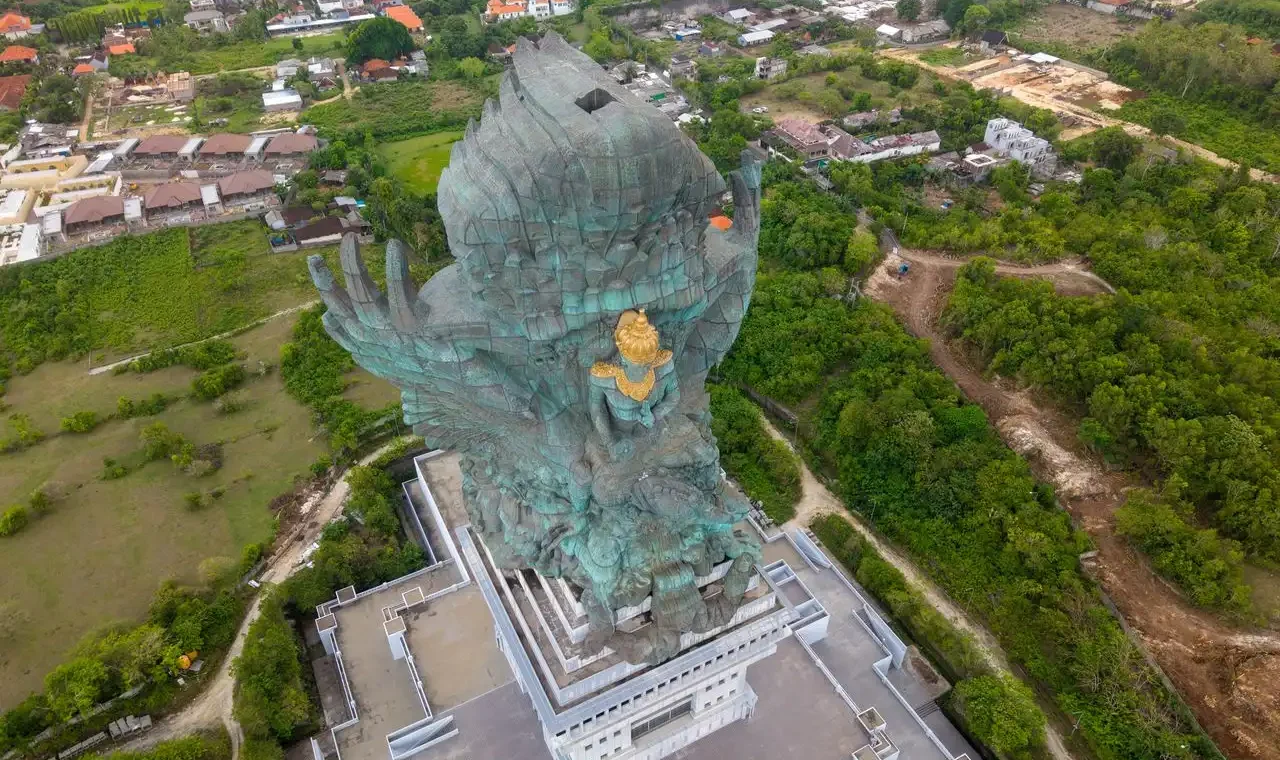
The Garuda Wisnu Kencana Statue is not a quiet hidden stop. It is large, planned, and built to impress. For some travelers, that makes it one of Bali’s most memorable cultural landmarks. For others, it feels more like a cultural park than a temple or village experience.
The useful question is whether GWK fits the kind of Bali day you want. Understanding its meaning and scale helps you decide before spending time on the route to Ungasan.
Decide What You Want From GWK
GWK works best when you want a structured attraction with a major landmark, open plazas, photo viewpoints, performances, and facilities. It is less suitable if you are looking for a small sacred site, a rural walk, or a low-key local stop.
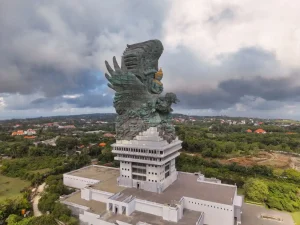
This distinction matters because the statue is only one part of the experience. The surrounding cultural park shapes the visit with ticketed areas, large spaces, scheduled performances, and viewpoints across south Bali.
Meaning Behind the Statue
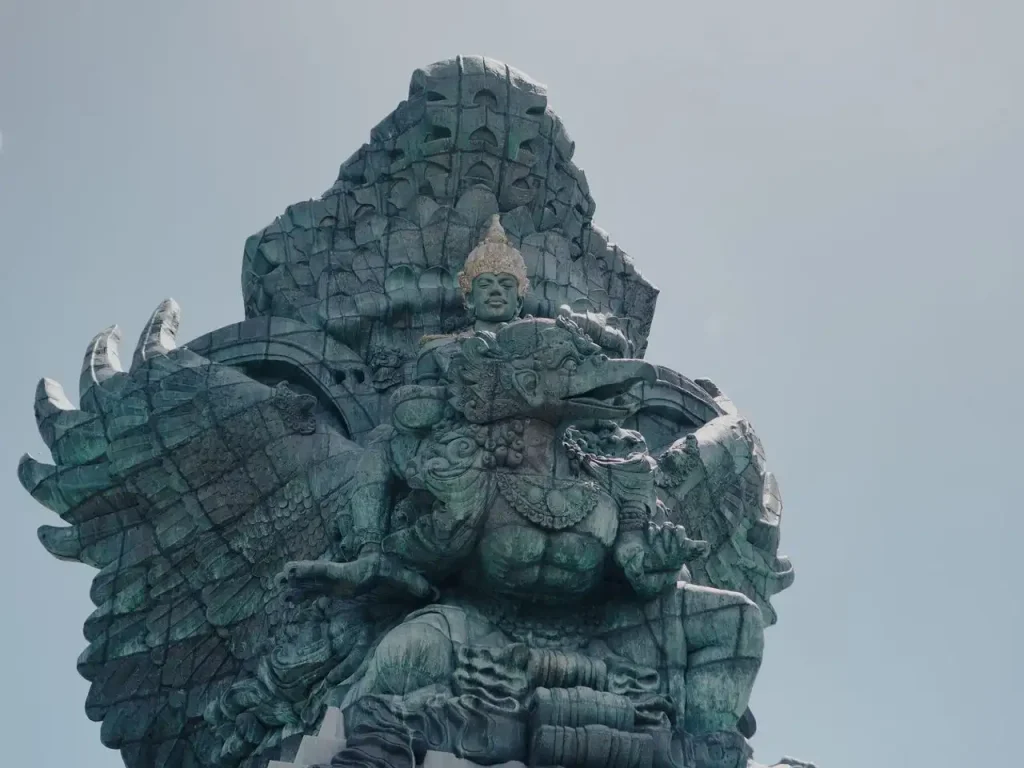
The statue represents Wisnu, a Hindu deity, riding Garuda, the mythical bird associated with loyalty, strength, and protection. In Indonesia, Garuda also has national meaning as the country’s emblem. That combination gives the landmark both religious and cultural weight.
Its size is part of the message. At roughly 121 metres tall, the statue is designed to be seen from a distance and remembered after the visit. The scale turns mythology into a skyline feature.
What to Plan Before You Go
– Check the park hours and performance schedule before choosing your visit time.
– Bring sun protection because many areas feel open and exposed.
– Wear comfortable shoes for walking between plazas and viewpoints.
– Allow extra time if you want photos without rushing.
– Pair GWK with nearby south Bali stops rather than crossing the island just for one attraction.
Best Time to Pair It With South Bali
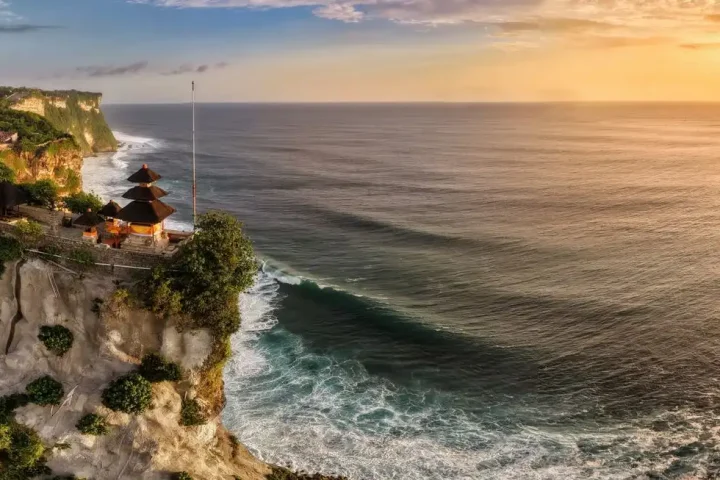
GWK sits in the southern part of Bali, so it pairs well with Uluwatu, Jimbaran, Ungasan, or beach time around the Bukit Peninsula. It can also work before a seafood dinner in Jimbaran or a sunset plan in the south.
Avoid forcing it into an Ubud-centered day unless you have a specific reason. The drive can become longer than the attraction time, especially when traffic is heavy.
Who Will Enjoy It Most
GWK is a strong fit for families, first-time visitors, travelers interested in large public art, and anyone who likes a polished attraction with clear facilities. It is also useful for visitors who want a cultural reference point without the etiquette requirements of a temple visit.
Travelers who prefer quiet spiritual sites may not find the same feeling here. That does not make GWK less valuable. It simply means the park serves a different purpose in a Bali itinerary.
Bottom Line
Visit the Garuda Wisnu Kencana Statue when you want scale, symbolism, and an easy-to-navigate attraction in south Bali. Go with the right expectation: this is a cultural park built around a monumental statue, not a substitute for a temple, village, or ceremony. With that mindset, GWK can become a clear and worthwhile stop rather than a random photo detour.