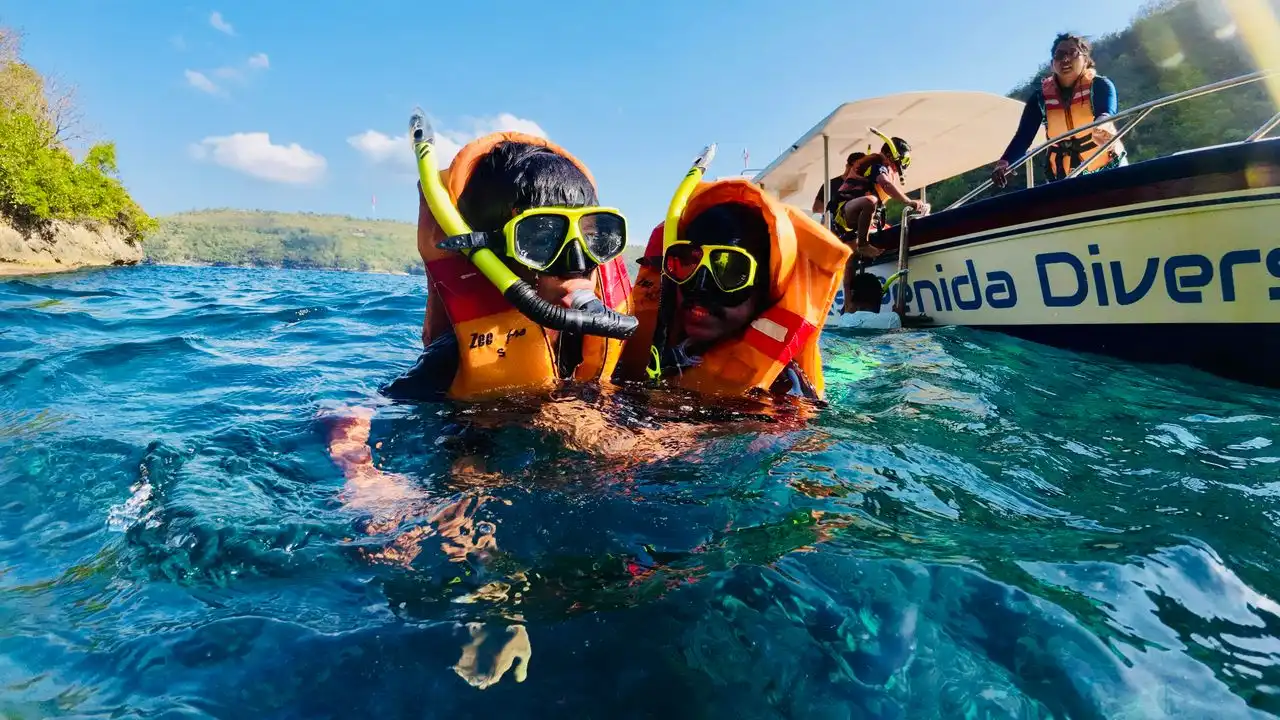
Snorkeling Nusa Penida can be unforgettable, but it is not a trip to book only by counting how many spots are included. The island is known for clear water, coral areas, and the chance of seeing manta rays, yet the same coastline can also bring current, swell, boat traffic, and changing visibility.
The benefit of planning well is simple: you choose a tour that matches your comfort level, not just your photo hopes. A safer trip gives you more space to enjoy the water.
Choose Safety Before Spot Count
Some tours advertise several snorkeling locations in one outing. More stops are not always better. If conditions are rough or the group is mixed in ability, a careful captain may adjust the route. That is usually a good sign, not a disappointment.
Before booking, look for operators who explain equipment, guide support, pickup details, and weather flexibility. A low price means less if the group is too large, the briefing is rushed, or the route ignores sea conditions.
Spots and Conditions in Plain Terms
Popular snorkeling areas around Nusa Penida and nearby islands may include manta-focused locations, sheltered bays, coral gardens, and drift-style sections depending on the operator. Each place can feel different from one day to the next. Visibility, current, and swell matter as much as the name of the spot.
Manta sightings are a major reason people book, but they are never guaranteed. The best mindset is to appreciate the ocean you get on the day: clear water, reef fish, the shape of the coast, and the chance of wildlife without treating it as a promised attraction.
Questions to Ask Before Paying
– Will there be a guide in the water with the group?
– Are fins, mask, snorkel, and life jackets included and in good condition?
– How many guests are usually on the boat?
– Can the route change if the sea is too rough?
– Is the trip suitable for children, beginners, or nervous swimmers?
Make the Reef Part of the Plan
Good snorkeling is not only about what you see. It is also about what you leave untouched. Do not stand on coral, chase manta rays, feed fish, or grab reef structures for balance. If you need flotation, use a life jacket instead of pushing yourself to swim beyond your comfort.
Reef-safe behavior protects the place and usually improves the experience. Wildlife is more likely to stay calm when snorkelers move slowly and give it space.
Who Should Book a Private or Smaller Trip

A smaller boat or private arrangement can be worth it for families, first-time snorkelers, photographers, or anyone who needs a slower pace. Shared tours can be excellent, but they work best when everyone is comfortable with the same rhythm.
Snorkeling Nusa Penida is at its best when safety, patience, and respect come first. Choose an operator you trust, listen to the sea conditions on the day, and let the ocean set the pace.