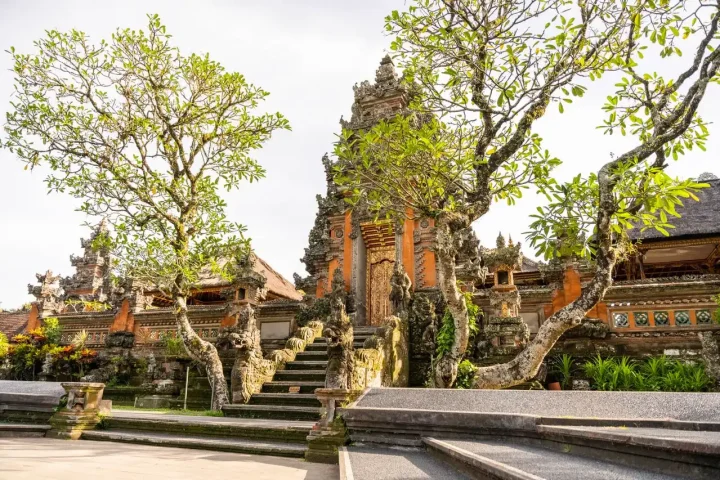

Pura Luhur Uluwatu Temple sits high above the Indian Ocean on Bali’s southwestern cliffs. It is famous for sunset views and the Kecak fire dance, but it remains first and foremost a sacred Balinese Hindu temple.
A good visit balances the dramatic setting with cultural respect. Give yourself enough time, dress properly, watch your belongings around the monkeys, and remember that the temple grounds are not just a photo location.
Why Uluwatu Temple Is Worth Visiting
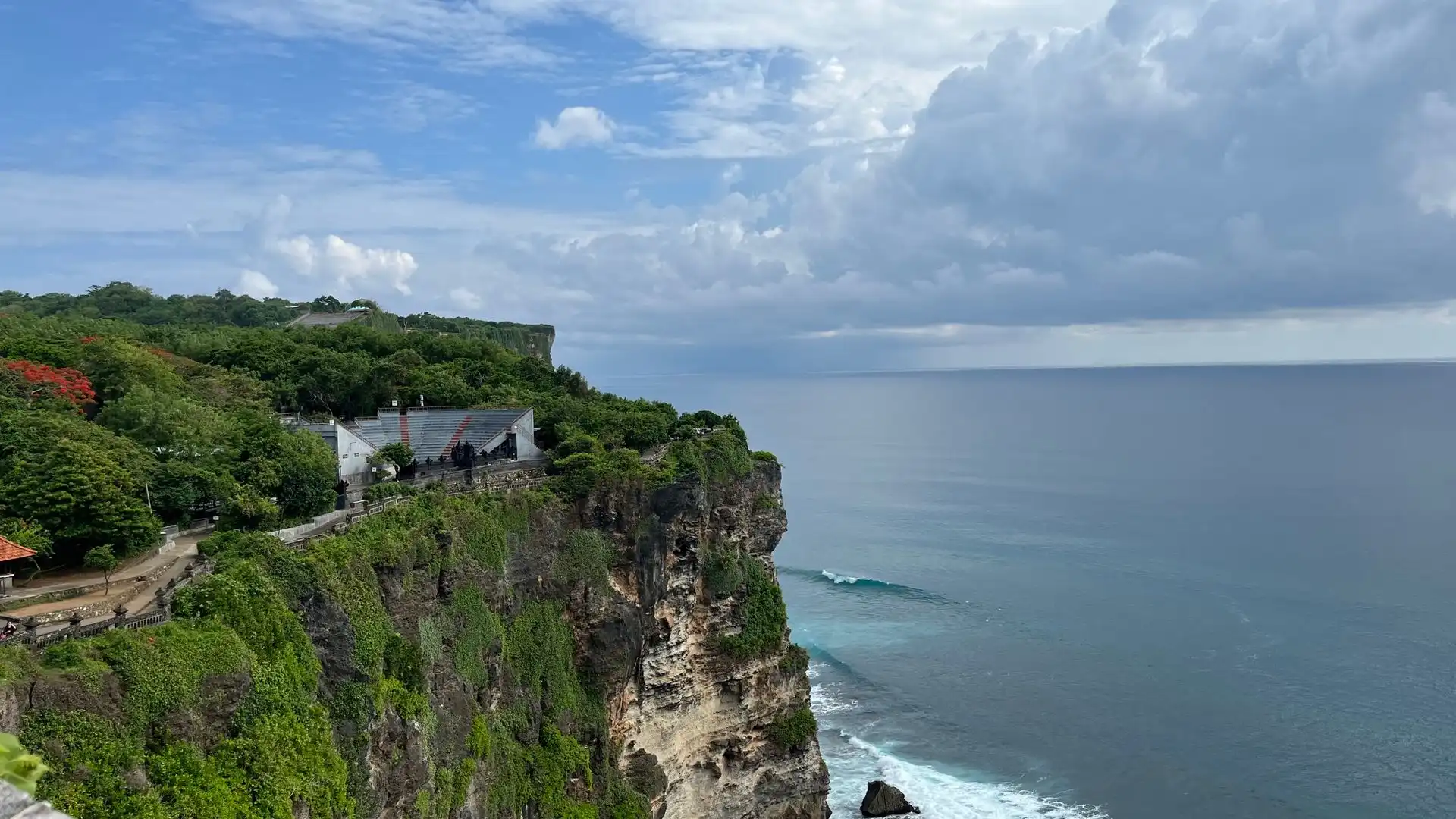
Uluwatu is one of Bali’s most atmospheric temple sites because the landscape does so much of the storytelling. The temple complex is set on limestone cliffs, with ocean below and walking paths along the edge.
The main experience is not entering every sacred inner area. Visitors usually explore the outer grounds, enjoy the cliff viewpoints, and watch the way the temple sits within the wider coastal landscape.
Best Time to Visit for Sunset and Kecak Dance
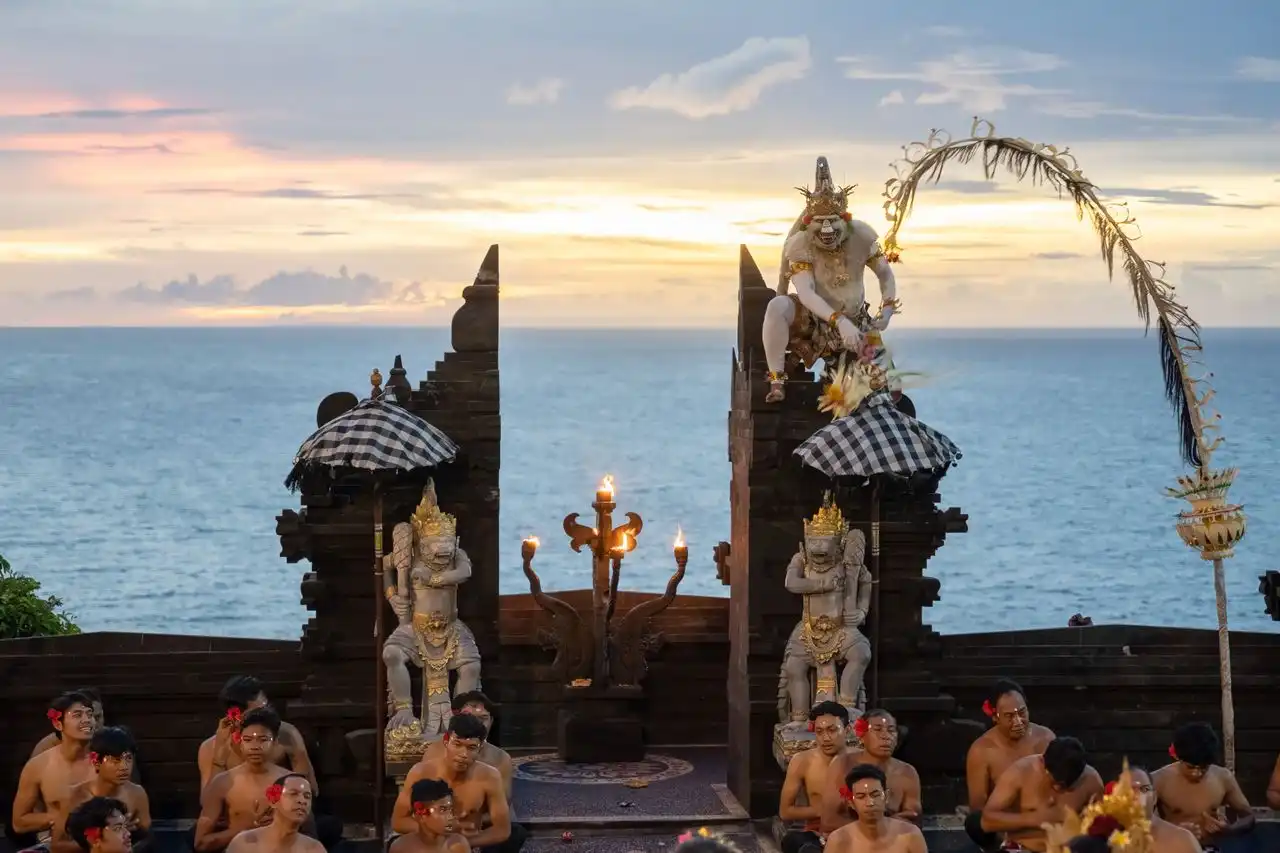
Late afternoon is the most popular window because it combines golden light, cliff views, and the Kecak performance. If that is your plan, give the visit a little structure:
- Arrive earlier than you think you need.
- Walk the cliff paths before choosing your Kecak seat.
- Keep your sarong on while moving through temple areas.
- Secure sunglasses, phones, and hats before entering monkey zones.
This keeps the visit focused on the setting rather than last-minute logistics.
If your priority is a quieter temple visit rather than the performance, morning or early afternoon is often easier. You may miss the famous sunset mood, but you gain space to notice the architecture, sea views, and temple rhythm without rushing.
Dress Code and Temple Etiquette
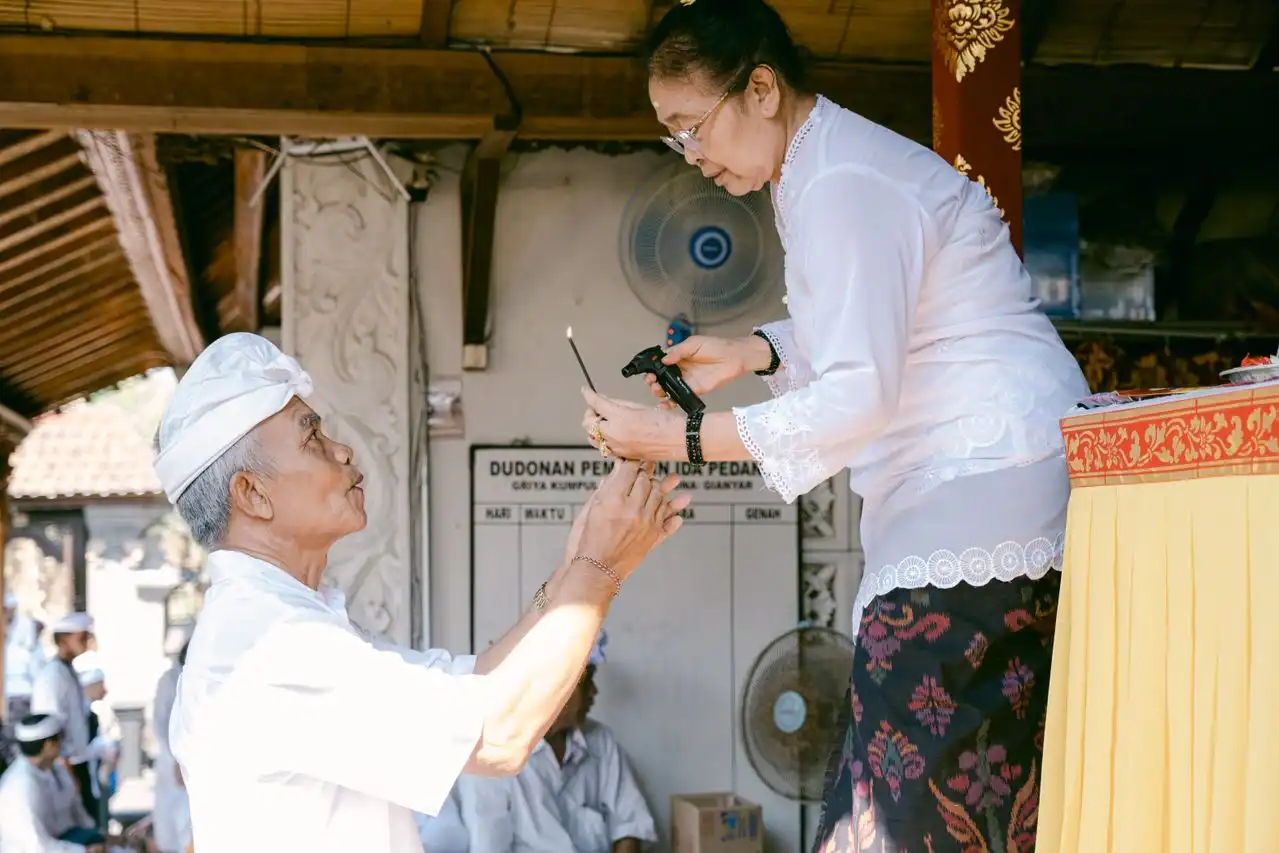
Wear a sarong and sash when entering temple areas, and keep shoulders and knees covered. If you arrive without the right clothing, sarongs and sashes are commonly available at the entrance, but bringing your own makes the visit smoother.
Move calmly, avoid loud behavior, and do not climb on walls or sacred structures for photos. If a ceremony is happening, give worshippers space and follow staff instructions. The best temple etiquette is quiet awareness: you are a guest in a living religious site.
How to Handle the Monkeys

The monkeys at Uluwatu are part of the experience, but they can be bold. Keep sunglasses, hats, phones, loose jewelry, and snacks secured. Do not tease, feed, or try to touch them.
A simple rule works well: arrive with fewer loose items than usual. Put small valuables inside a zipped bag before entering the grounds. If a monkey grabs something, ask local staff for help instead of chasing it.
Planning a Smooth Uluwatu Visit
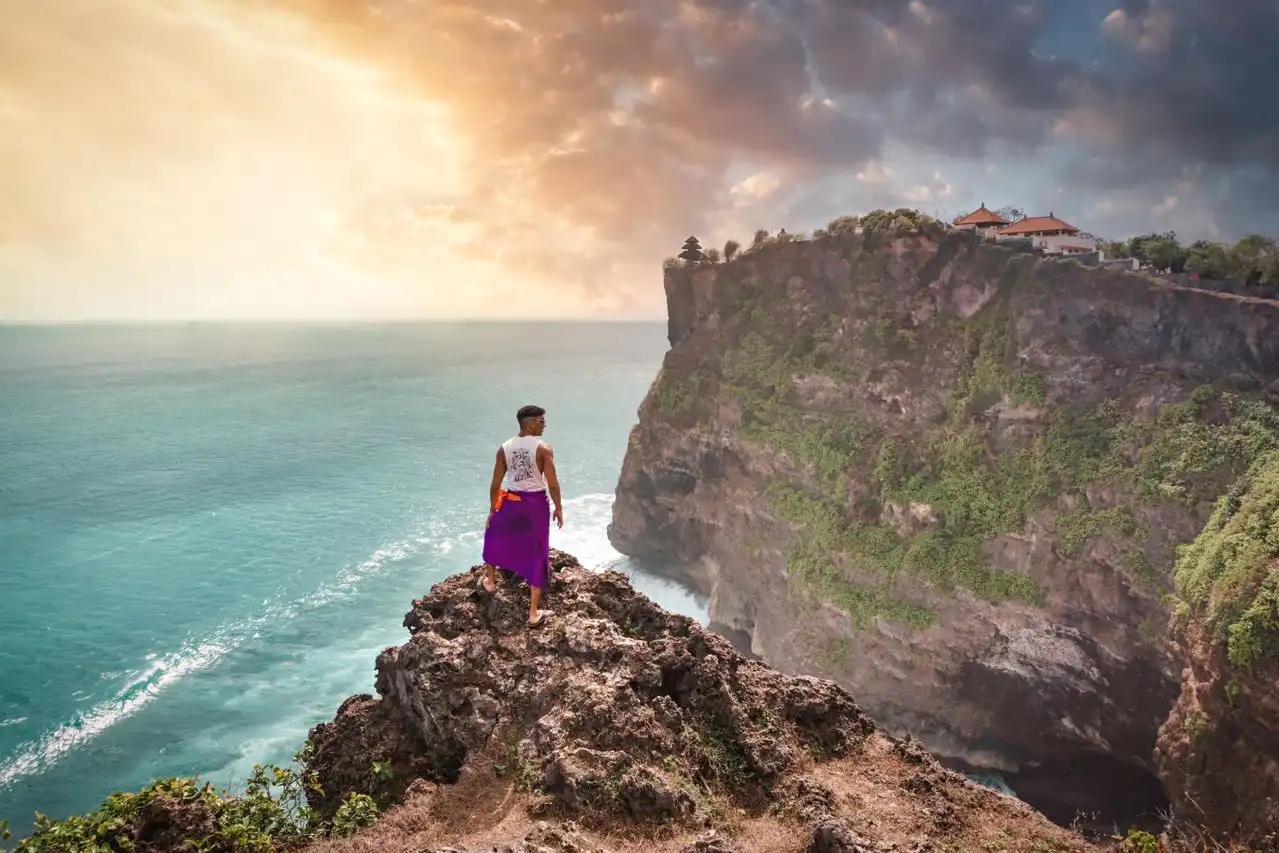
Traffic in South Bali can be slow near sunset, so build buffer time into your route. Pairing Uluwatu with nearby beaches can work, but avoid packing too many stops before the temple if you want a calm arrival.
For many travelers, the strongest version of Uluwatu is simple: arrive before sunset, walk respectfully, watch the sea change color, then stay for Kecak if that is your priority. The temple rewards patience more than a rushed checklist.