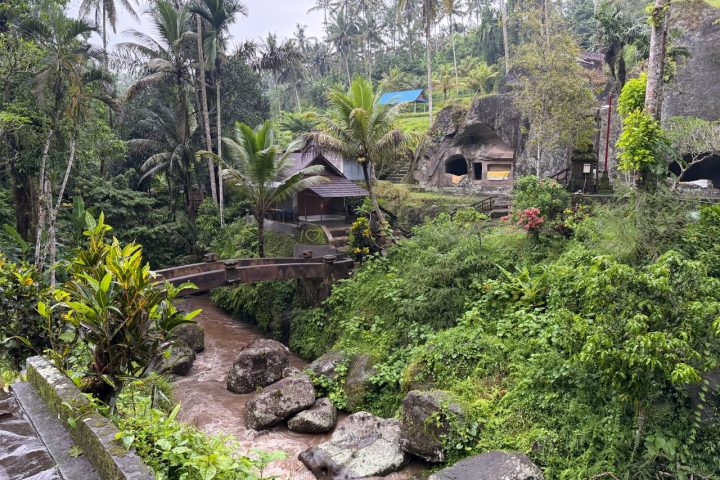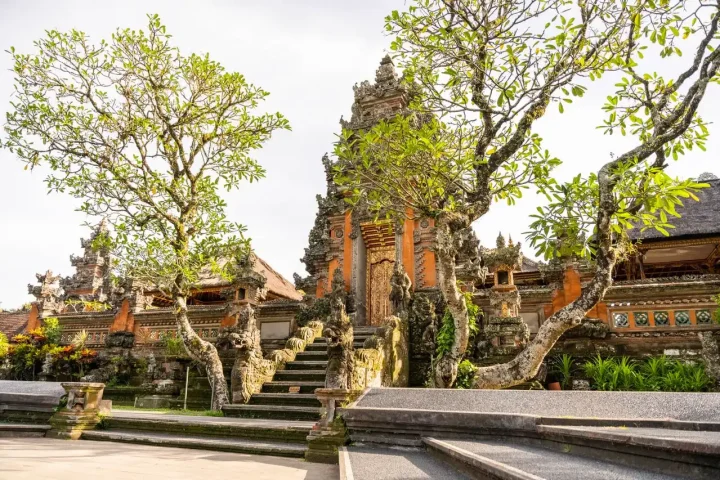
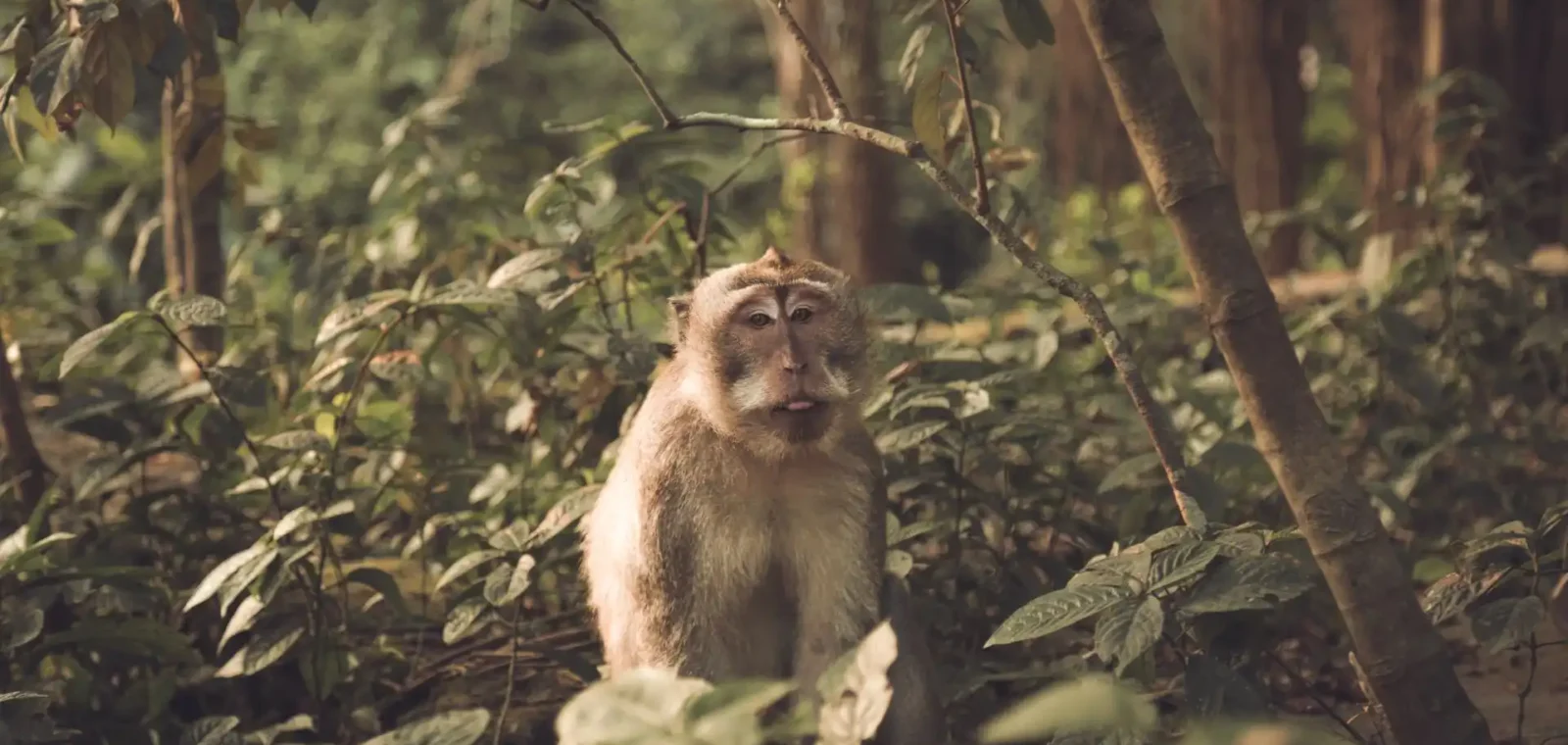
Monkey Forest Ubud Bali is not just a place to see macaques up close. It is a forest sanctuary, temple area, and community-managed cultural landscape in the middle of Ubud.
The experience is best when you treat it as both wildlife encounter and sacred site. Come prepared, keep food and loose items secured, and give the monkeys the same respect you would give any semi-wild animal.
What Makes Monkey Forest Ubud Different
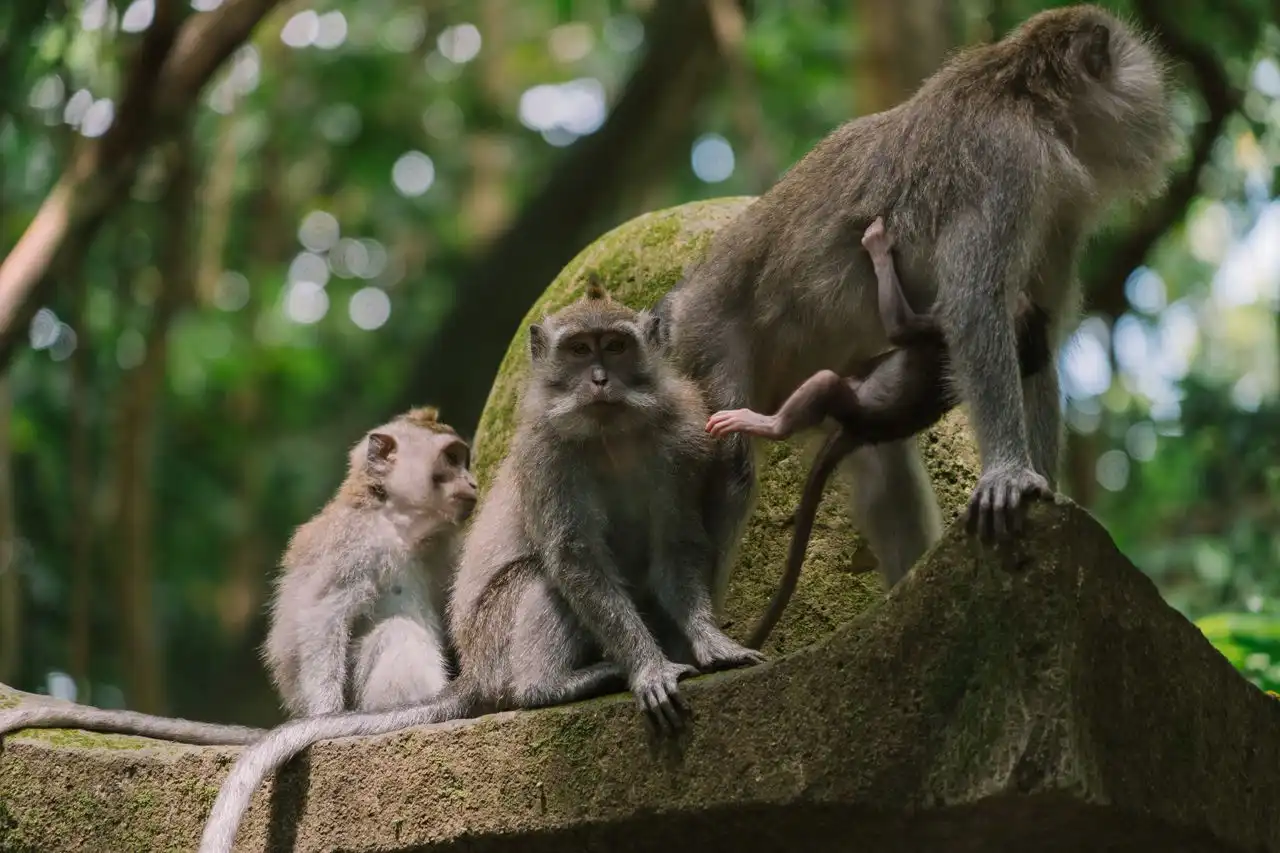
The sanctuary combines dense greenery, old stone paths, temple architecture, and free-roaming long-tailed macaques. The official visitor information describes the forest as an important spiritual, educational, conservation, and economic center for the local village.
That mix is what makes it memorable. You are not entering a zoo with animals behind glass. You are walking through a living forest environment where monkeys move across paths, walls, trees, and temple areas.
How to Behave Around the Monkeys
The most important safety habit is to avoid creating a food signal. Before you step onto the forest paths, make a quick check:
- Keep snacks out of sight.
- Do not feed the monkeys.
- Keep phones, glasses, and water bottles secure.
- Open bags away from the monkeys, not beside them.
Those small habits make close encounters calmer for both visitors and animals.
If a monkey approaches, stay calm and avoid sudden pulling or grabbing. Do not smile broadly at close range, as showing teeth can be read differently by animals. If something happens, ask sanctuary staff for help.
The Temples and Sacred Areas
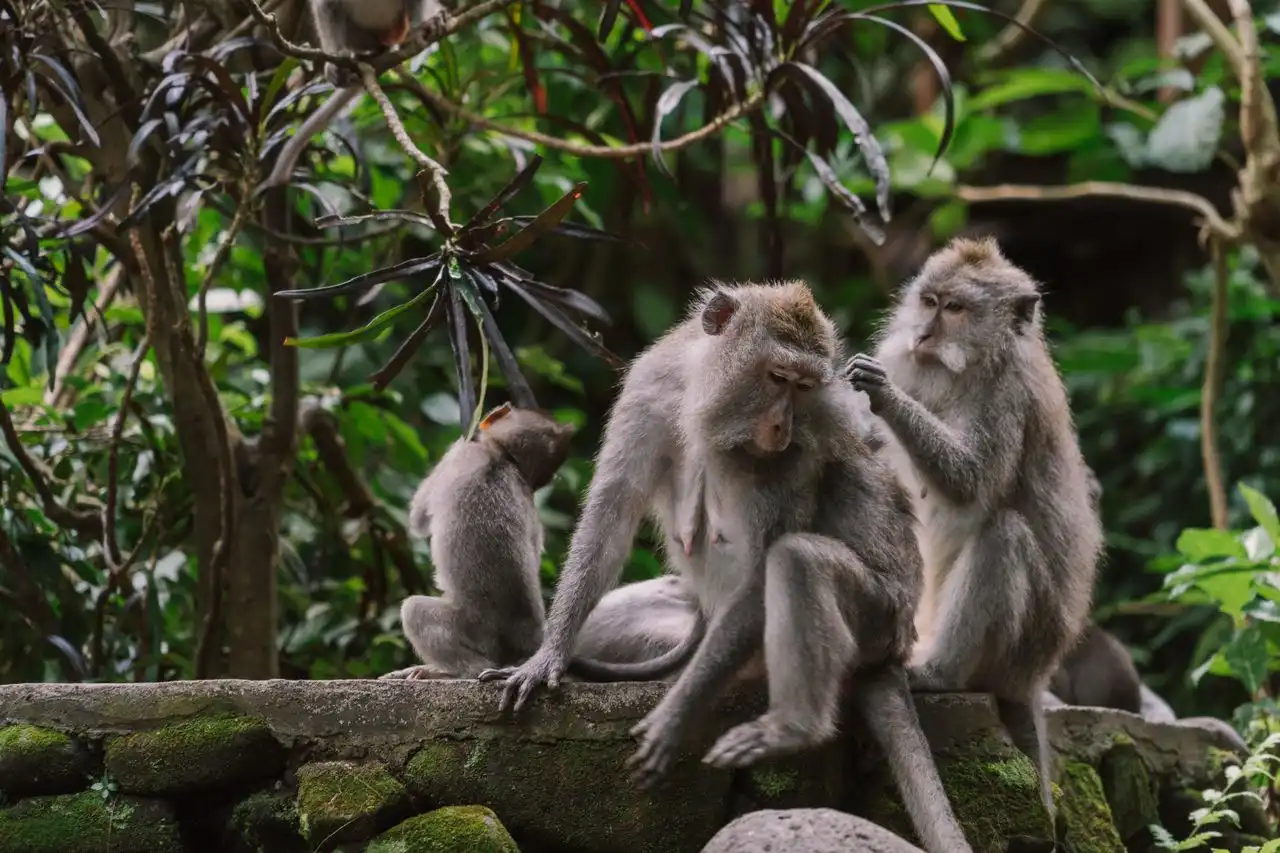
The forest includes temple areas and sacred structures connected to Balinese Hindu practice. Some areas are for worship and may not be open for casual entry. Observe from outside when signs or staff indicate restricted spaces.
Dress and behave with the same awareness you would bring to other cultural sites in Bali. Even when the monkeys are the main reason you came, the forest’s spiritual role is central to its identity.
Best Time and Practical Planning
Check the official visitor page before you go for current hours, last entrance, and ticket information. Morning visits can feel cooler and calmer, while later visits may fit better into an Ubud day around galleries, cafes, and nearby walks.
Allow enough time to move slowly. Rushing makes it easier to miss the forest details and harder to manage close encounters calmly. A relaxed pace also helps you notice staff signs and visitor guidelines.
Who Will Enjoy Monkey Forest Most
Monkey Forest Ubud suits travelers who enjoy nature, culture, photography, and animal behavior. It may be less comfortable for visitors who are nervous around free-moving animals or who carry many loose items.
The best visit is observant rather than performative. Watch the monkeys, respect the sacred setting, and leave with a better sense of how nature and culture overlap in Ubud.