
Bali is generally a manageable destination for prepared travelers, but safe does not mean careless. The island has real risks: traffic, ocean conditions, petty theft, natural hazards, alcohol safety, and cultural rules that visitors need to respect.
The most useful answer is balanced. Bali can be a safe and rewarding place to visit when you plan sensibly, follow local laws, monitor official travel advice, and avoid treating holiday mode as a reason to drop normal judgment.
Start With Official Travel Advice
Before departure, read your government’s Indonesia travel advice and check it again close to your travel date. Advisories can cover terrorism risk, demonstrations, natural disasters, health requirements, entry rules, and areas of Indonesia with higher warning levels.
Most Bali trips are unaffected by issues in distant provinces, but official advice helps you separate island-specific practical risks from broader country alerts. It also reminds you to buy travel insurance that matches your activities.
Traffic and Scooter Risks
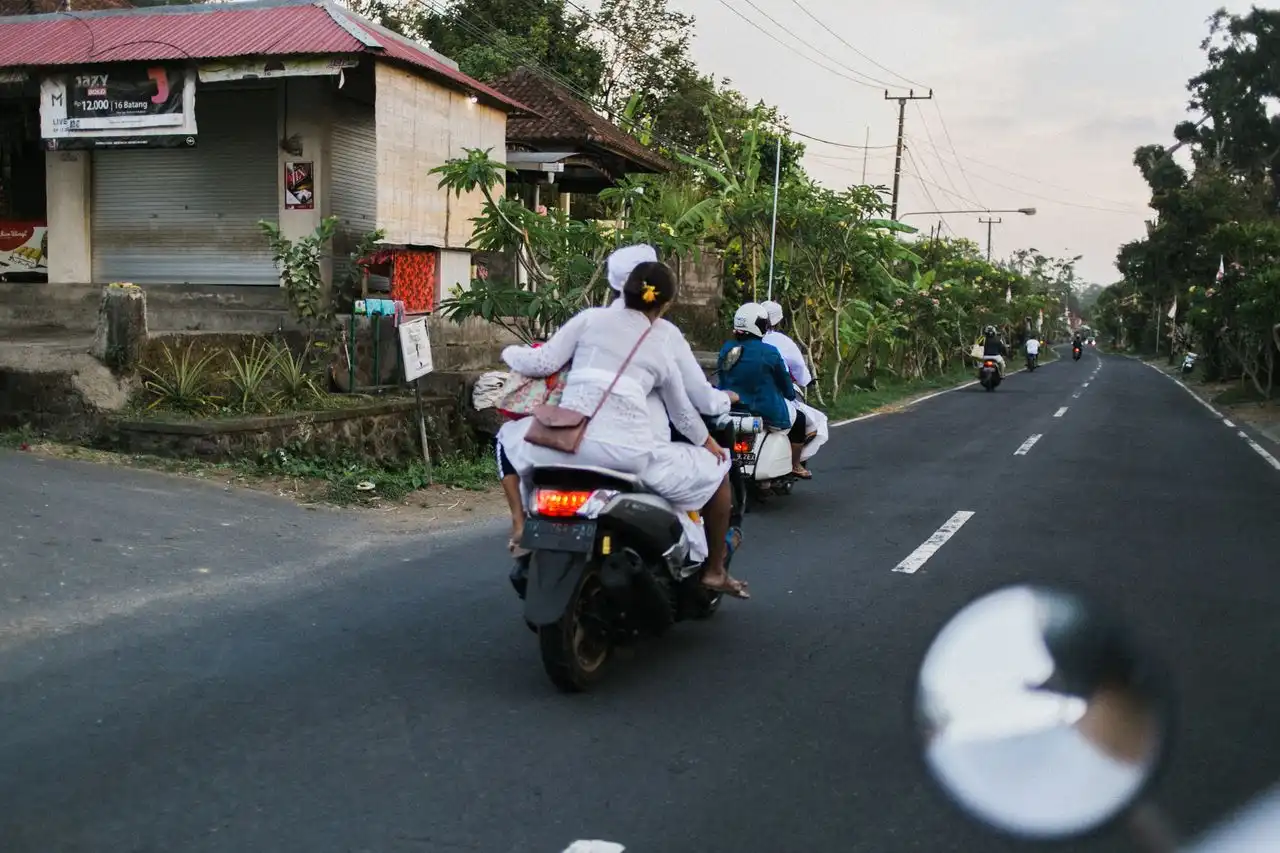
Traffic is one of the most common safety issues for visitors. If you are deciding whether to ride a scooter, use a practical safety filter:
- Wear a helmet every time.
- Carry the right license or permit.
- Avoid riding after alcohol.
- Use a driver or taxi if the road conditions feel unfamiliar.
A slower transport choice is often the safer one in busy parts of Bali.
If you are not confident on a scooter, use a reputable driver, official taxi, or ride-hailing option where legal and practical. A slightly slower transport choice is usually better than turning a holiday into a medical problem.
Beach, Ocean, and Outdoor Safety
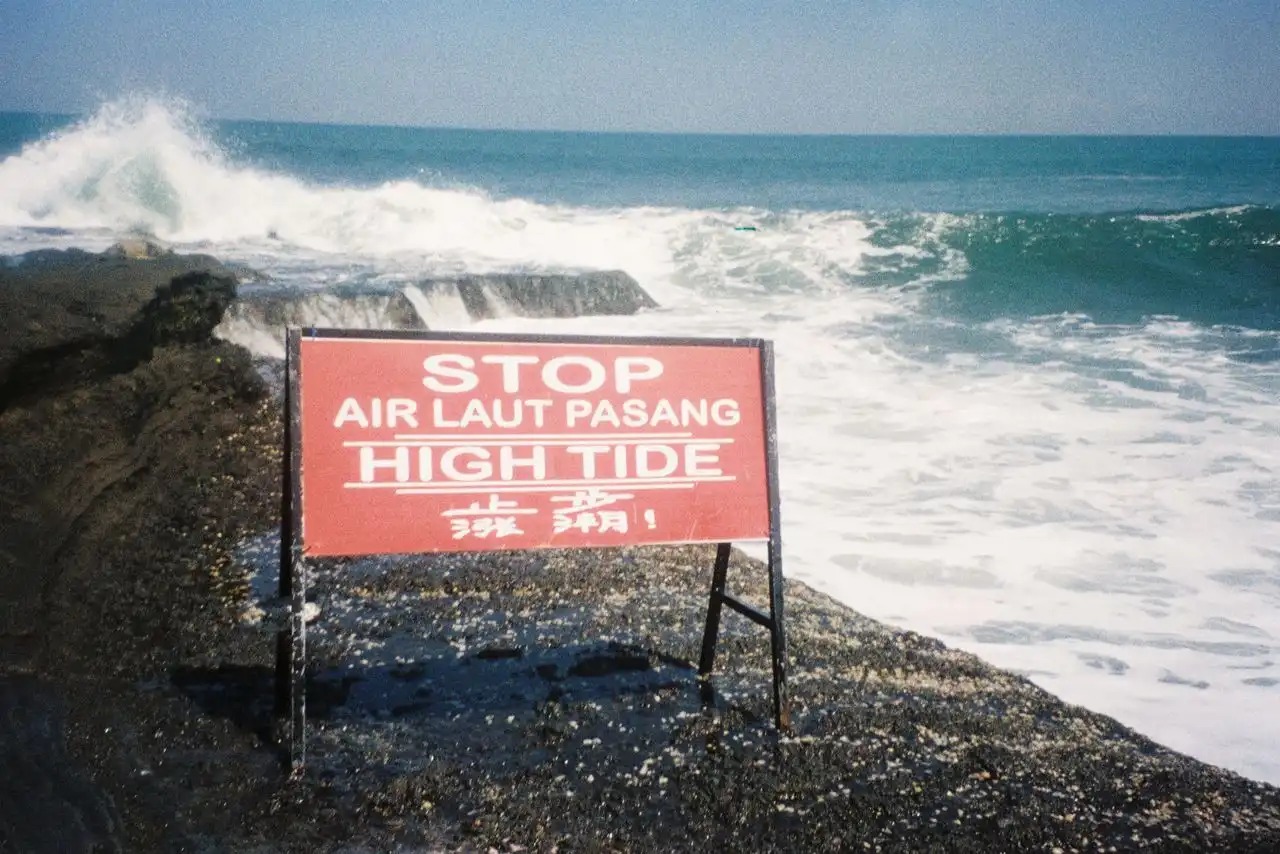
Bali’s beaches vary widely. Some are gentle swimming areas, while others have strong waves, reef, currents, or steep access. Do not assume a beautiful beach is safe to swim. Look for flags, ask locals or lifeguards, and avoid entering the water when conditions look rough.
For hikes, waterfalls, cliffs, and Nusa Penida viewpoints, wear proper footwear and stay behind barriers. Many accidents happen when travelers move too close to edges for photos.
Health, Drinks, and Money Basics
Drink sealed or properly filtered water, use sunscreen, and take mosquito protection seriously. Be cautious with alcoholic drinks, especially unusually cheap spirits or mixed drinks from unknown sources. Several advisories warn travelers about drink spiking and methanol contamination risks in Indonesia.
Use ATMs in secure, well-lit places and exchange money only at authorized counters. Keep a copy of your passport and visa information available, and store your physical passport securely unless you need to carry it.
Respect Is Part of Safety in Bali
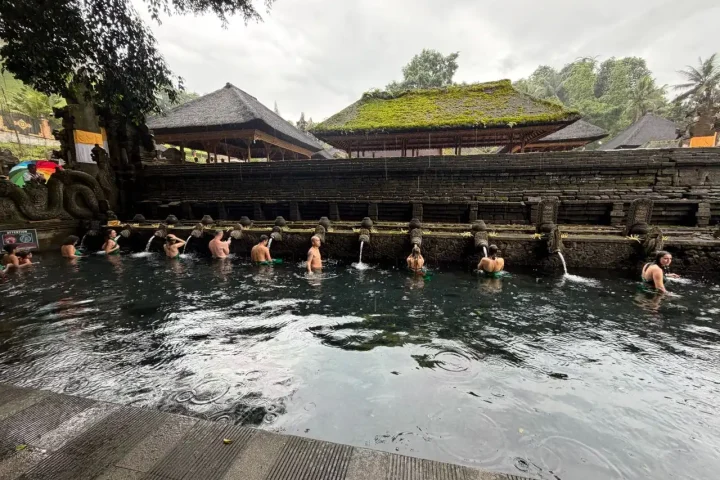
Many avoidable problems in Bali begin with disrespect: entering sacred areas improperly, ignoring temple rules, driving recklessly, or treating ceremonies as entertainment. Bali’s visitor guidelines ask travelers to dress modestly in sacred places, respect rituals, use licensed guides where appropriate, and obey traffic laws.
A safe Bali trip is not only about avoiding theft or illness. It is about moving through the island in a way that protects you, respects residents, and keeps small mistakes from becoming serious situations.