Knowing what to wear in Bali is less about fashion rules and more about matching the island’s heat, humidity, activities, and cultural settings. You may move from beach to scooter ride, cafe to temple, or waterfall path to dinner in one day.
The simplest packing strategy is flexible: breathable clothes for the climate, respectful layers for temples and villages, secure footwear for uneven paths, and a sarong or light cover-up that can solve several situations at once.
Everyday Clothes for Bali Weather
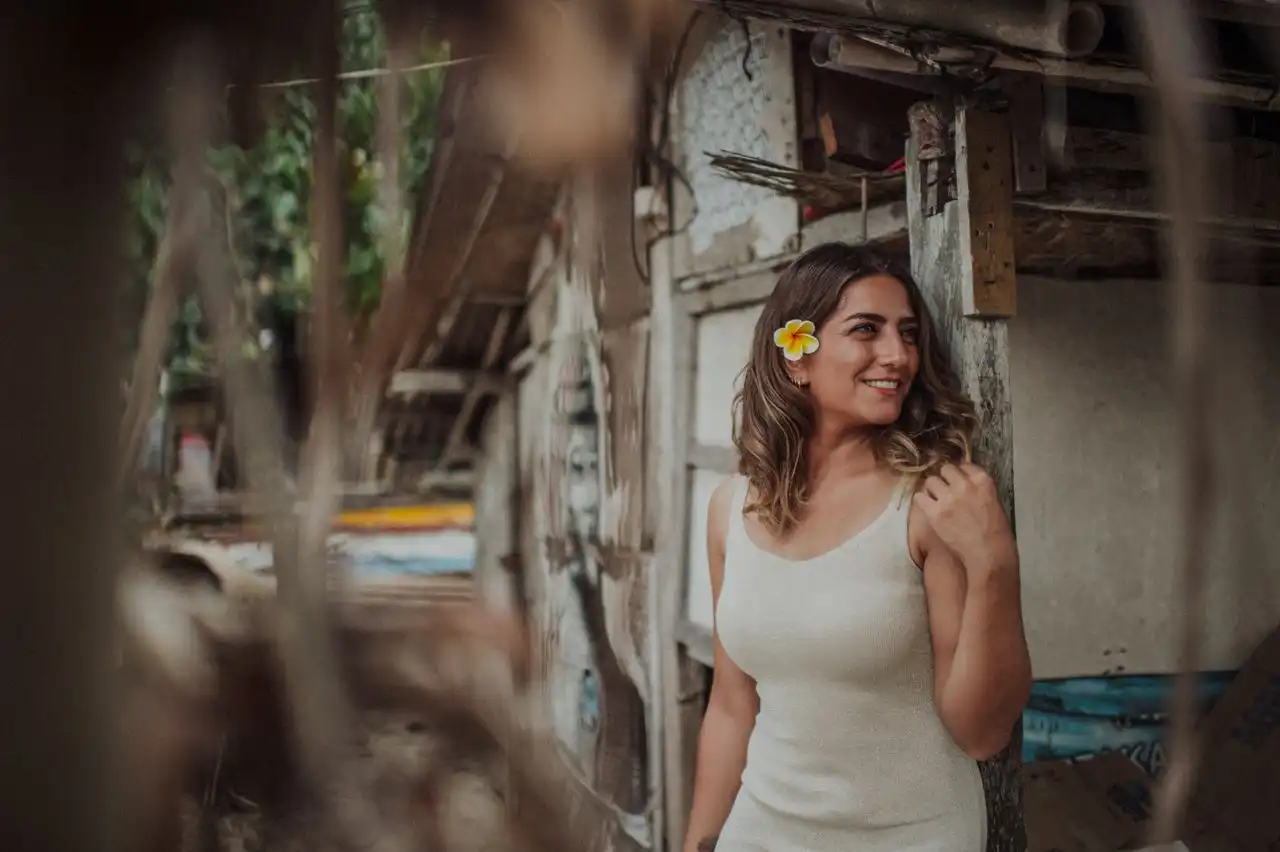
Bali is warm and humid, so choose lightweight fabrics that dry quickly. Linen, cotton blends, rayon, and technical travel fabrics usually feel better than heavy denim. Loose shirts, relaxed trousers, skirts, dresses, and shorts work well for most casual settings.
Pack at least one light layer for air-conditioned cars, evening breezes, or modesty when moving away from beach areas. During the wet season, a compact rain jacket or umbrella is more useful than a bulky coat.
Temple Dress Code and Respectful Clothing
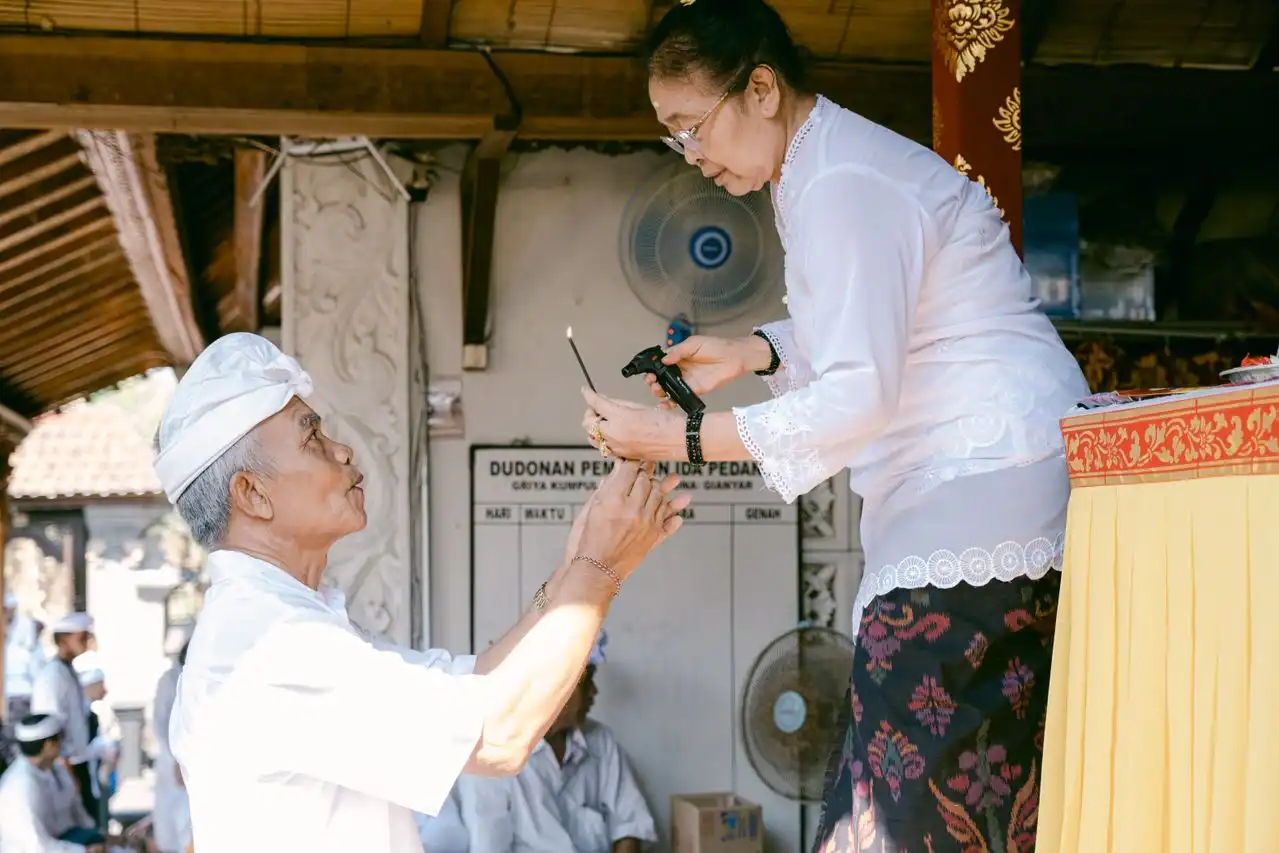
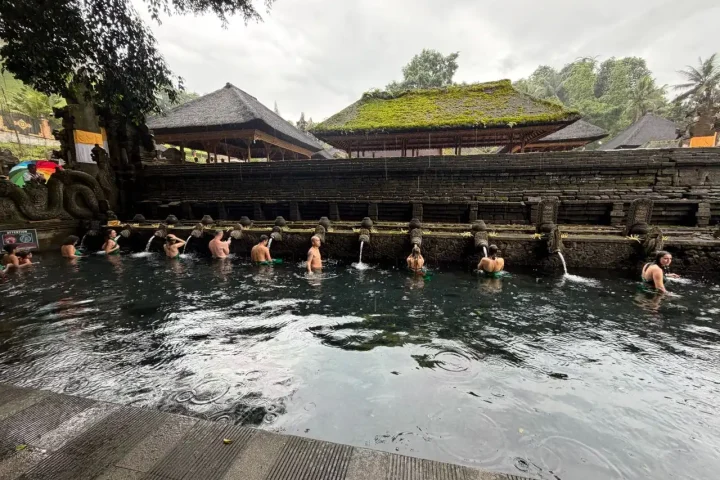
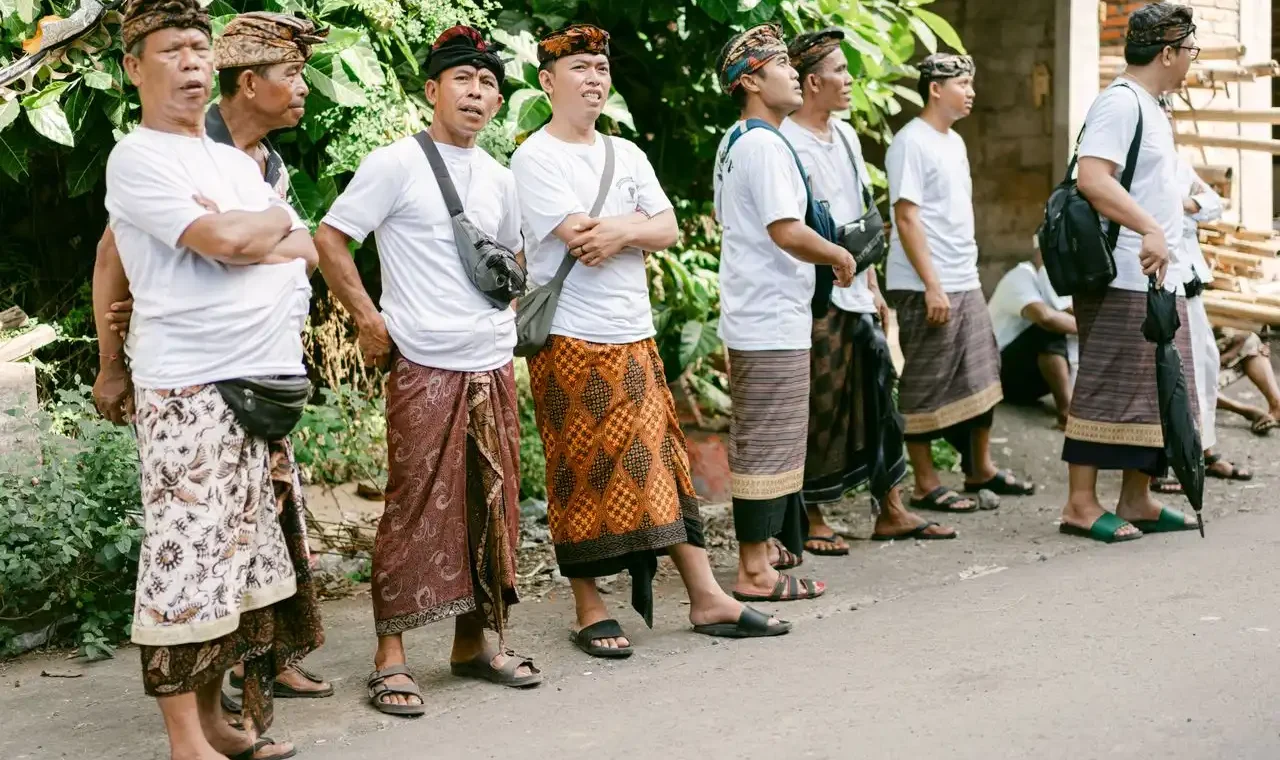
For temples, plan to cover shoulders and knees and wear a sarong and sash where required. Indonesia Travel’s cultural guidance notes sarong and sash use when entering temples, along with respect for local customs and temple-entry guidelines.
Do not treat the sarong as a costume. It is a practical sign of respect. You can often borrow or rent one at major temple entrances, but carrying a lightweight sarong in your day bag gives you more control.
Beachwear and Swimwear Boundaries
Swimwear belongs at the pool or beach, not in temples, villages, shops, or restaurants away from the sand. Bring a cover-up, shirt, or dress you can put on quickly after swimming.
If your day includes both beach and cultural stops, dress in layers. A swimsuit under light clothing can work, but make sure the outer layer is respectful enough for public spaces.
Shoes for Temples, Cliffs, and Waterfalls
Flip-flops are fine for short beach walks, but they are not ideal for cliff paths, waterfall stairs, wet stones, or long sightseeing days. Pack secure sandals or breathable walking shoes with grip.
Many temple areas require shoes to be removed before entering specific sacred spaces, so complicated footwear can slow you down. Choose shoes that are easy to take off but stable enough for uneven ground.
A Simple Bali Packing Formula
A useful Bali clothing kit is built around flexible pieces rather than a heavy suitcase. Start with:
- Breathable day outfits for heat and humidity.
- One modest temple-ready outfit.
- A sarong or large scarf.
- Swimwear with a cover-up.
- Secure sandals and light rain protection.
That mix covers beach time, temple visits, day trips, and casual dinners without overpacking.
The goal is not to overpack. It is to avoid being underprepared for the moments when clothing signals respect, safety, or comfort. In Bali, the right outfit helps you move more easily through both nature and culture.