
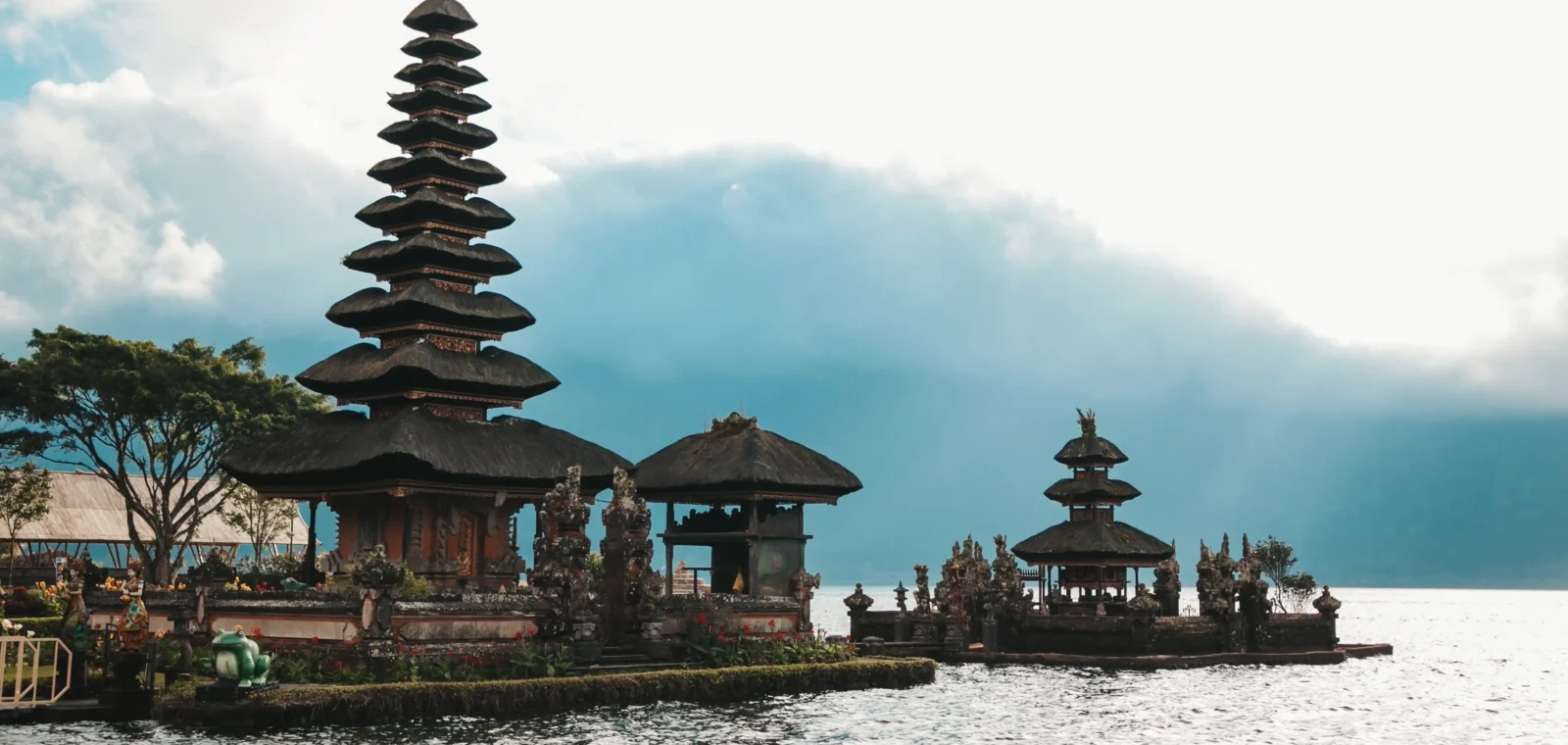
Nyepi is one of the most memorable cultural experiences a traveler can encounter in Bali, but it is not a festival you move through like a normal sightseeing day. It is the Balinese Day of Silence: a 24-hour pause for reflection, restraint, and renewal across the island.
For visitors, the key is simple: plan around it, stay indoors during the silence, and treat the day as a rare chance to understand Bali beyond beaches and restaurants. A respectful Nyepi plan can make your trip calmer, smoother, and more meaningful.
What Nyepi Means in Balinese Life
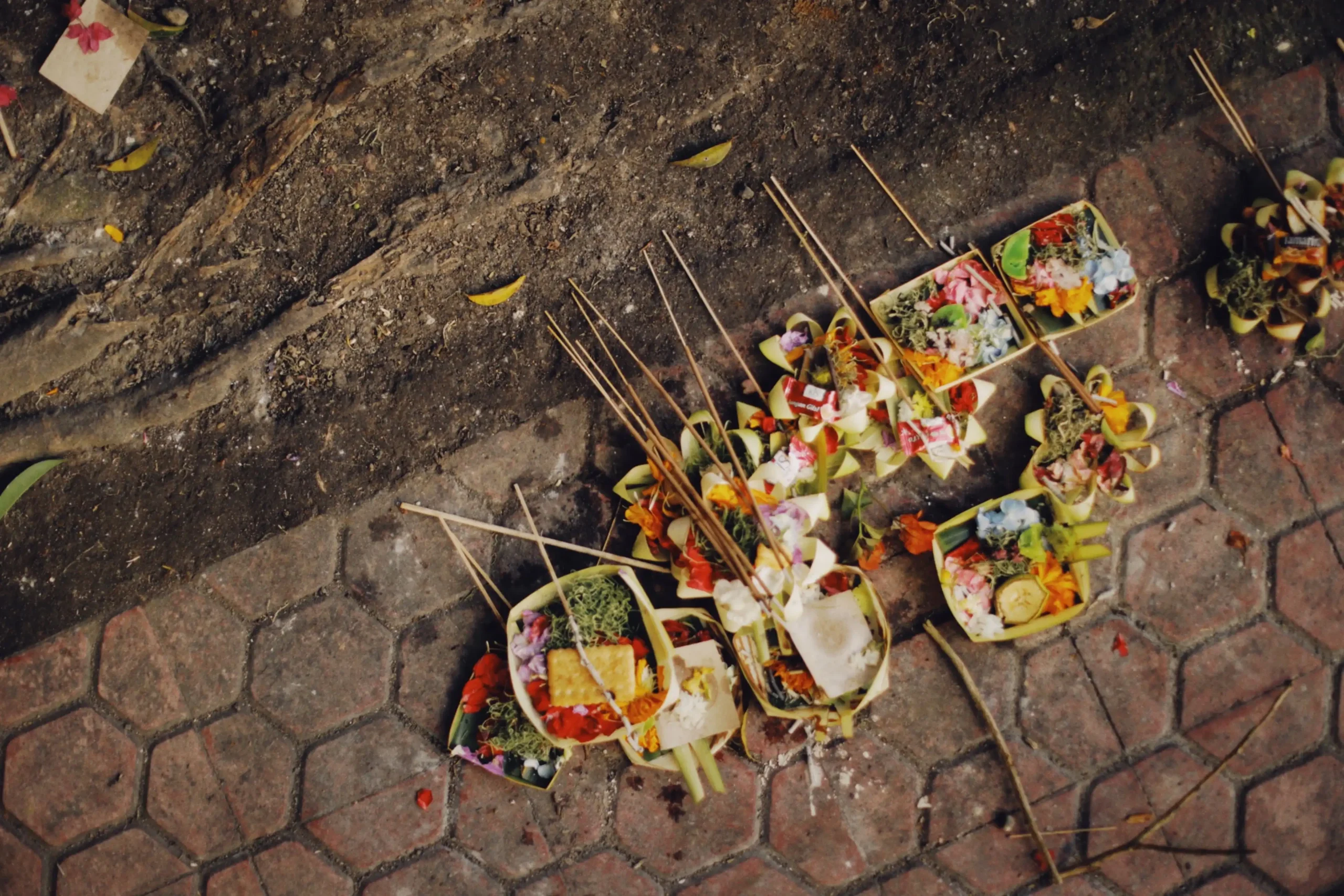
Nyepi marks the Balinese Saka New Year. Unlike many New Year celebrations, it is observed through quiet rather than noise. The island slows down so people can reflect, pray, and reset spiritually.
The silence is part of a wider ritual sequence. In the days before Nyepi, purification ceremonies and ogoh-ogoh parades bring color and sound to villages. On Nyepi itself, the contrast is striking: roads empty, businesses close, and daily movement pauses.
How Nyepi Affects Travel Plans
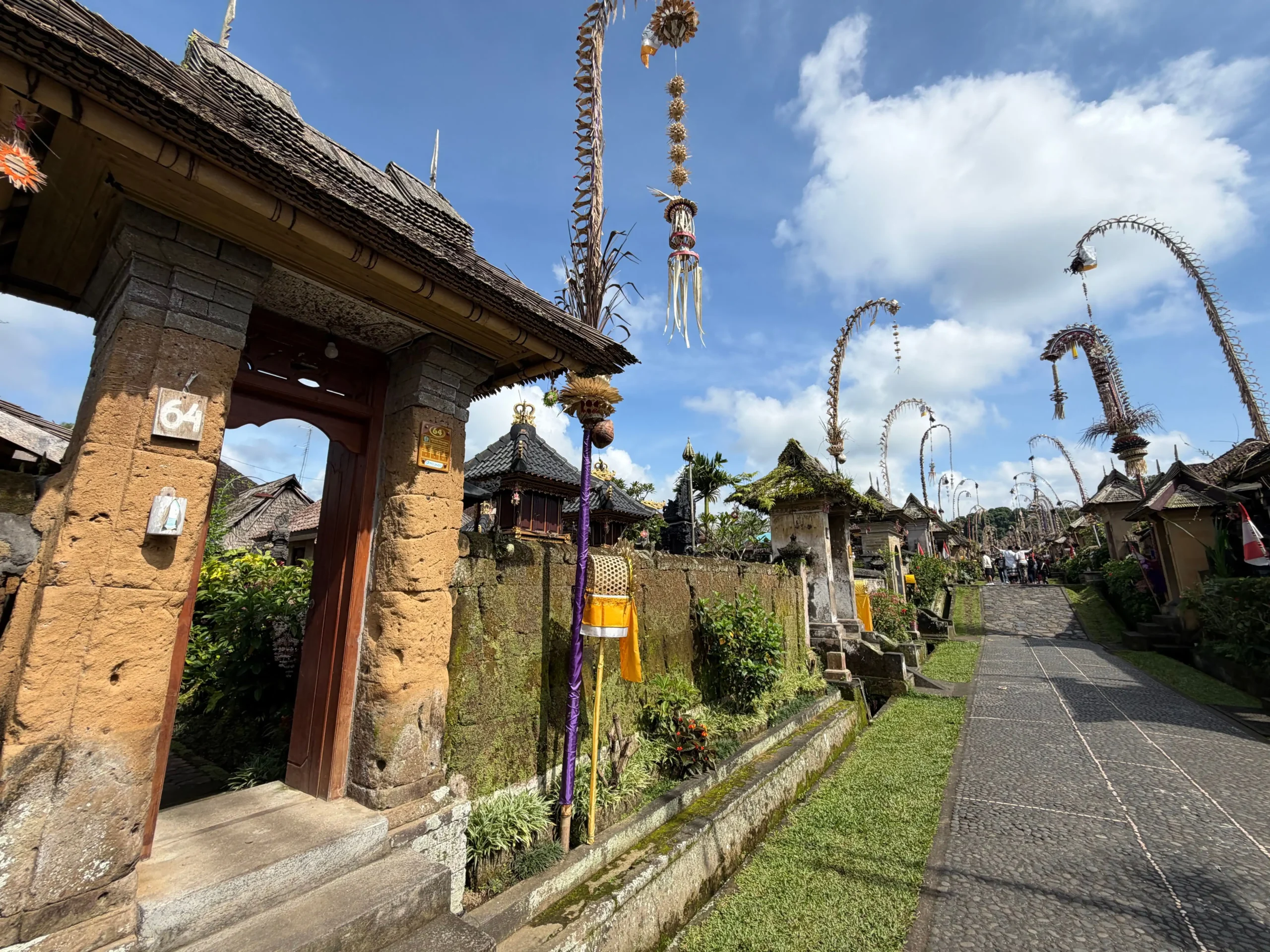
Visitors should plan as if Bali is closed for the day. Flights, road transport, beaches, shops, restaurants, and most public activity stop. Hotels usually continue essential guest support, but with reduced services and quiet rules.
The preparation is easier if you treat Nyepi like a full-day closure and handle essentials before the silence begins. A simple checklist helps:
- Arrive at least a day before Nyepi.
- Leave at least a day after, if your schedule allows.
- Stock your room with water, snacks, medicine, and baby supplies.
- Avoid airport transfers, day trips, scooter rentals, and restaurant bookings on the silent day.
That small buffer keeps the day calm instead of stressful.
What Tourists Should and Should Not Do
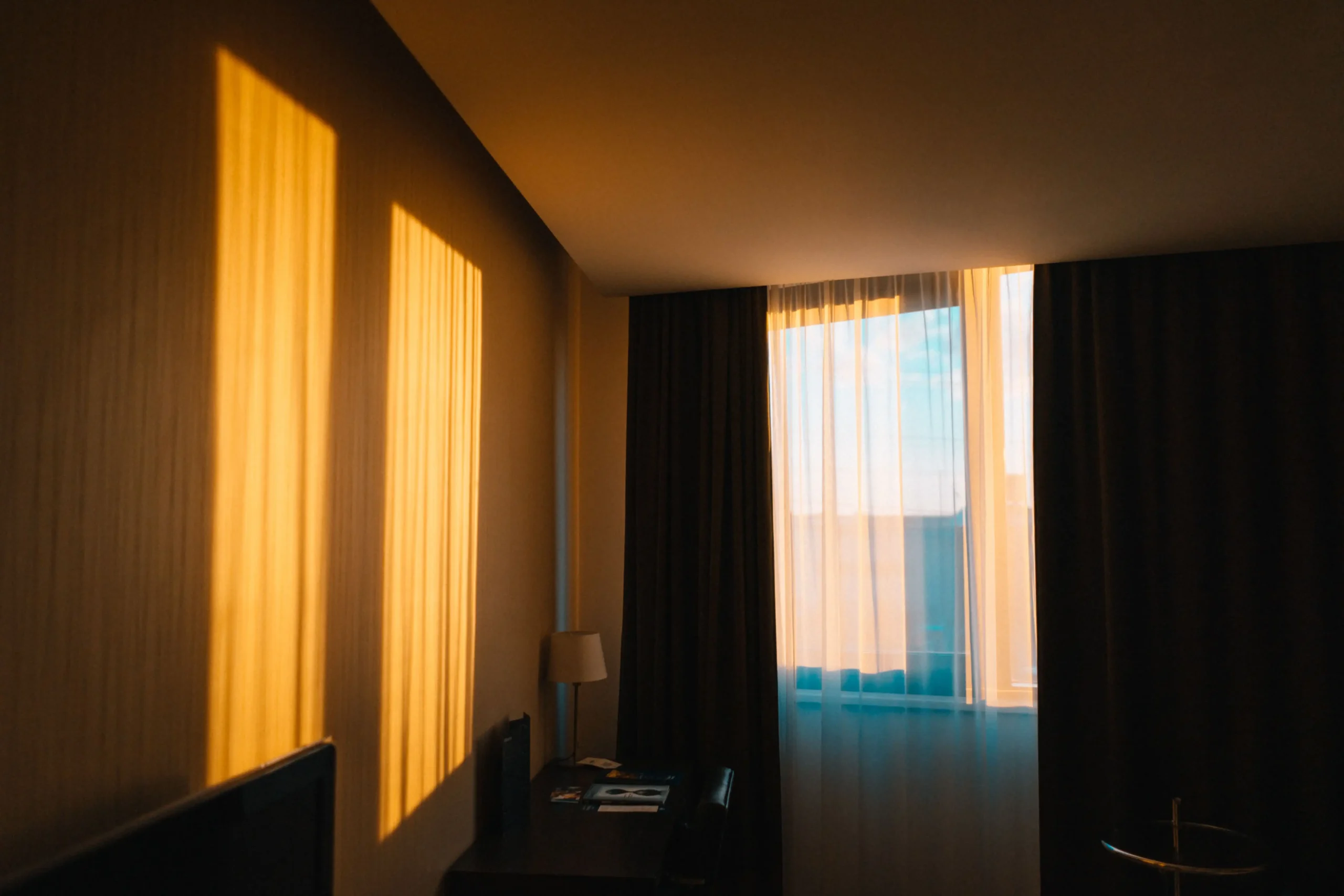
Tourists are expected to follow the same public rules as everyone else. Stay inside your accommodation, keep noise low, avoid bright outdoor light, and do not walk around for photos. Local community security officers, called pecalang, help enforce the day in villages and tourist areas.
Inside your hotel, ask staff what is allowed. Some properties permit quiet use of internal facilities, while others keep a stricter atmosphere. The respectful default is to keep the day simple: read, rest, journal, or enjoy the unusual stillness.
The Day Before and the Day After Nyepi
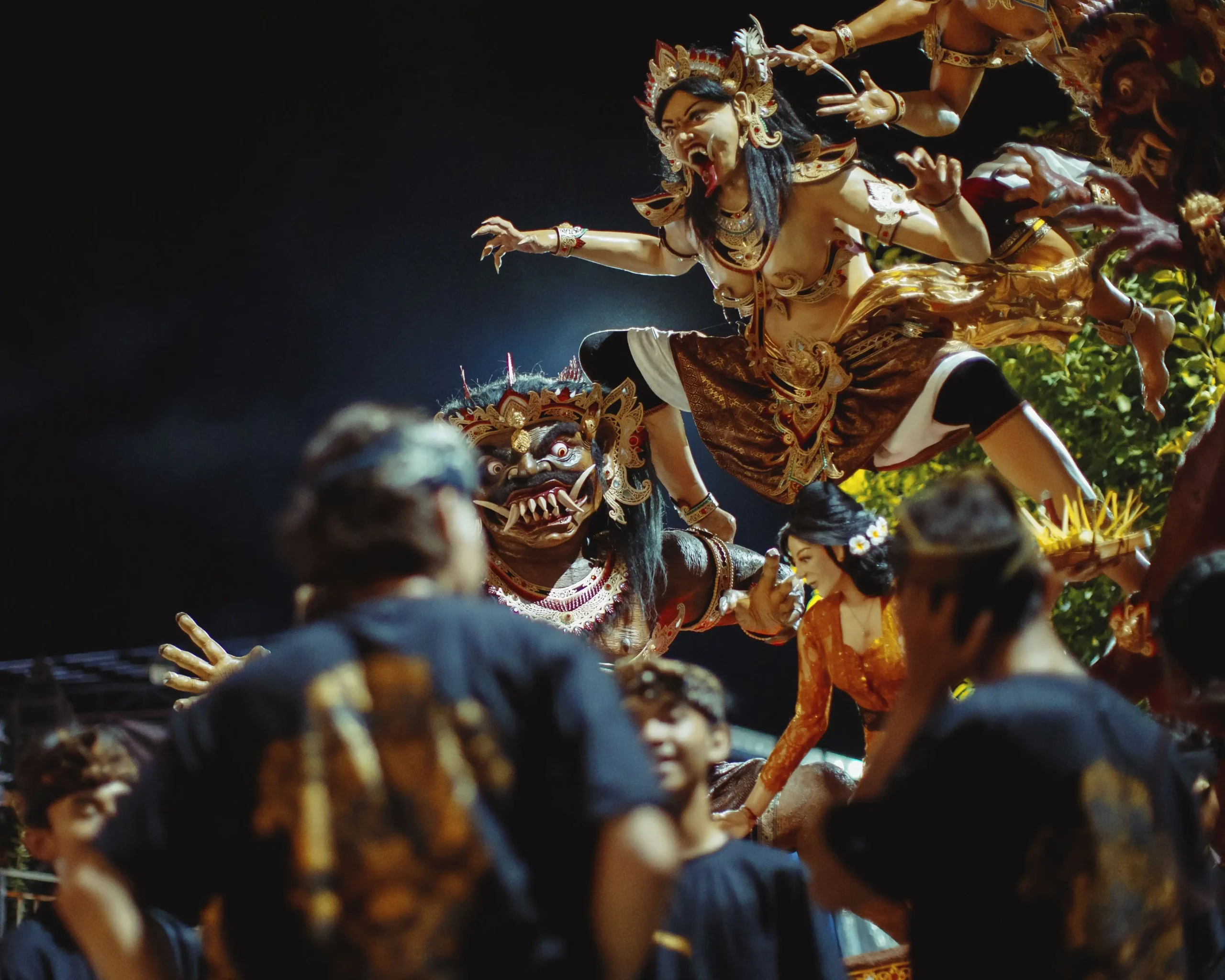
The evening before Nyepi can be lively, with ogoh-ogoh statues paraded through local streets. These processions are powerful cultural moments, but they can also cause road closures and traffic delays. Choose a viewing area near your accommodation so you are not caught far from your hotel late at night.
The day after Nyepi, Bali gradually returns to normal. Shops reopen, roads fill again, and families visit one another. It is a good day to move slowly rather than overloading your itinerary immediately.
A Better Way to Experience Nyepi

Nyepi is not an inconvenience to work around as quickly as possible. It is a cultural boundary that asks visitors to participate through restraint. If you approach it that way, the silence becomes one of the most distinctive parts of the trip.
Book carefully, prepare early, and let the island be quiet. In a destination often associated with movement, Nyepi offers something rarer: a full day where Bali asks everyone to stop.