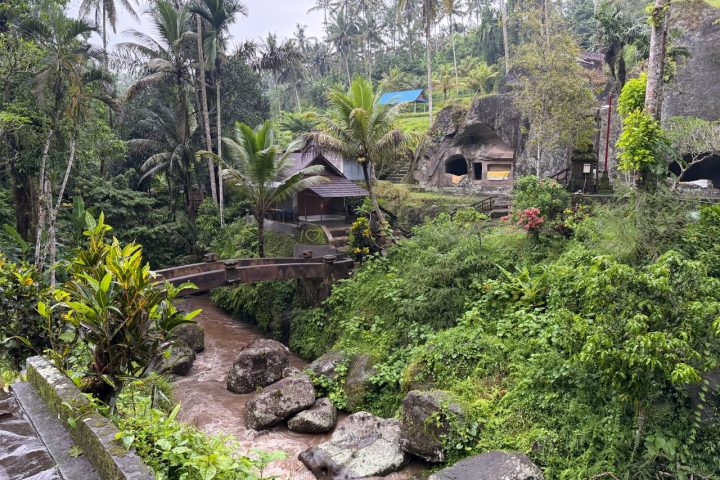

Bali is one of Indonesia’s most visited islands, but that simple answer does not explain why travelers experience it so differently. It is also a province with its own local districts, a Hindu-majority culture within a Muslim-majority country, and a travel destination where beach days, temple etiquette, mountain roads, and village ceremonies can sit in the same itinerary.
The value of understanding Bali before booking is practical. You choose better bases, avoid crossing the island too often, and arrive with a clearer sense of what deserves patience.
The Short Answer

Bali sits in central Indonesia, east of Java and west of Lombok. It is small enough to look easy on a map, yet varied enough that a single base rarely suits every plan. South Bali works for beaches, restaurants, nightlife, and airport access. Ubud and central Bali suit rice terraces, art villages, wellness stays, and cooler inland days. North and east Bali reward travelers who prefer slower roads, diving, waterfalls, and quieter coastal towns.
What This Helps You Plan
– Choose your base by trip style, not by the whole island.
– Build travel buffers into temple, waterfall, and beach days.
– Keep ceremony days flexible because access and traffic can change locally.
– Pack for beach heat, inland rain, and respectful temple visits.
– Treat short distances on the map as driving time, not walking distance.
How Bali Differs From Other Indonesia Stops
Bali is part of Indonesia, but it does not represent the entire country. Its daily rhythm is strongly shaped by Balinese Hindu traditions, community ceremonies, offerings, temple calendars, and village responsibilities. That is why a street can feel festive in the morning, busy by noon, and partly closed later for a procession.
For travelers, this means the most rewarding Bali trips leave room for observation. The island is not only a backdrop for beaches and villas. It is a living place where tourism runs beside family compounds, rice-field work, local markets, and religious obligations.
A Better First-Trip Planning Lens
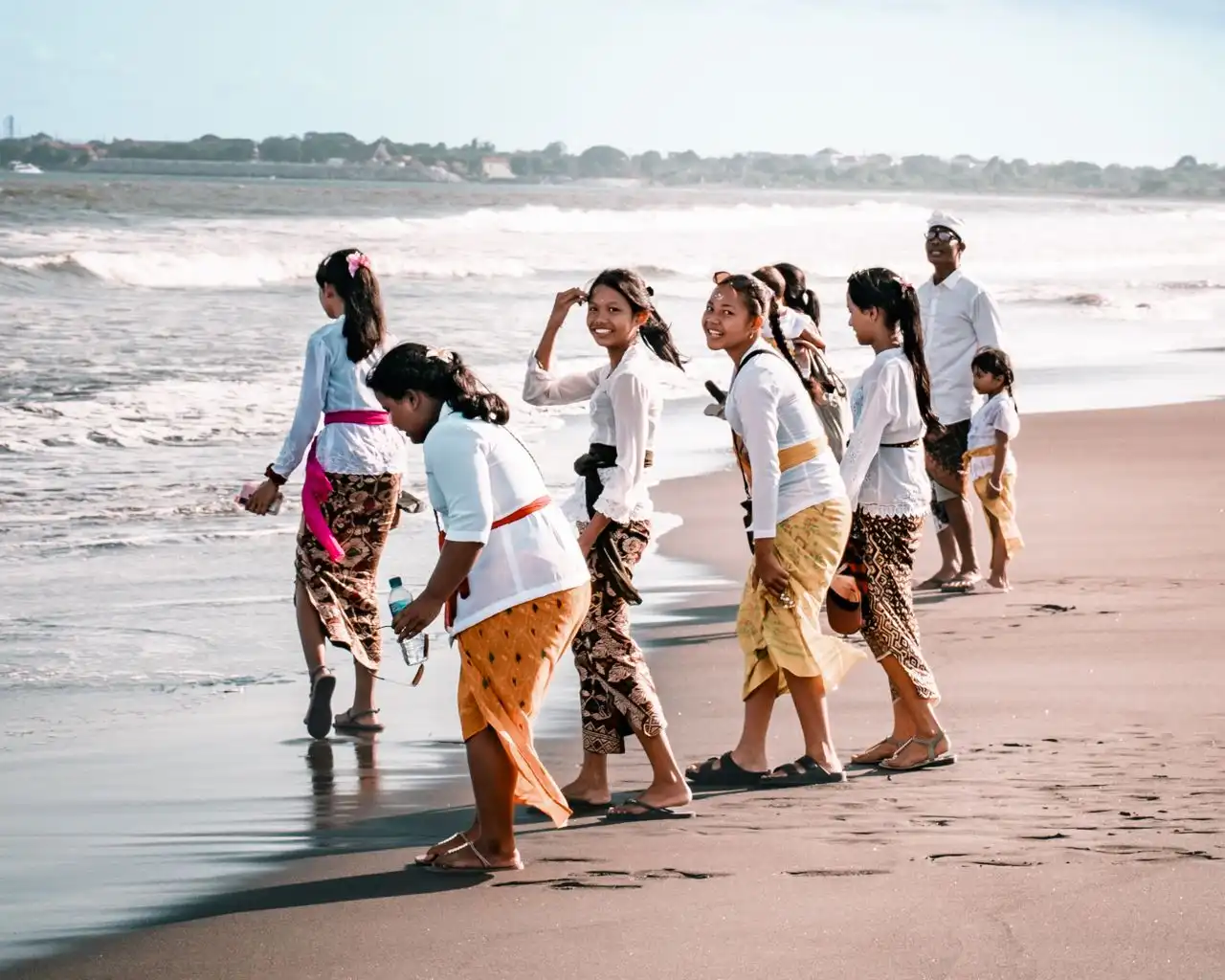
Instead of asking how many attractions you can cover, ask what kind of Bali day you want. A beach and seafood day in Jimbaran needs different pacing from a sunrise hike near Kintamani or a temple route around Ubud. If you group nearby places, your trip feels fuller without becoming rushed.
First-time visitors usually benefit from two bases: one near the coast and one inland. That gives you easier access to both Bali’s popular shoreline and its cultural heart, while reducing long drives that eat into the day.
Bottom Line
Bali is an Indonesian island, a province, and a culture-rich travel destination at the same time. Knowing that helps you move beyond a one-size-fits-all itinerary. Plan by region, respect local customs, and give each day enough breathing room to enjoy the island as more than a checklist.