Bali Taman Ayun Temple is most useful to travelers who want more than a quick temple photo. Its appeal is not built around a dramatic cliff or a purification ritual. The reward is slower: royal history, layered courtyards, landscaped water, and a clear example of how Balinese temple design uses space to create calm.
A good visit here helps you understand why some temples are not meant to be consumed quickly. You get more from Taman Ayun when you know where to look and why the layout matters.

Why Taman Ayun Rewards a Slow Visit
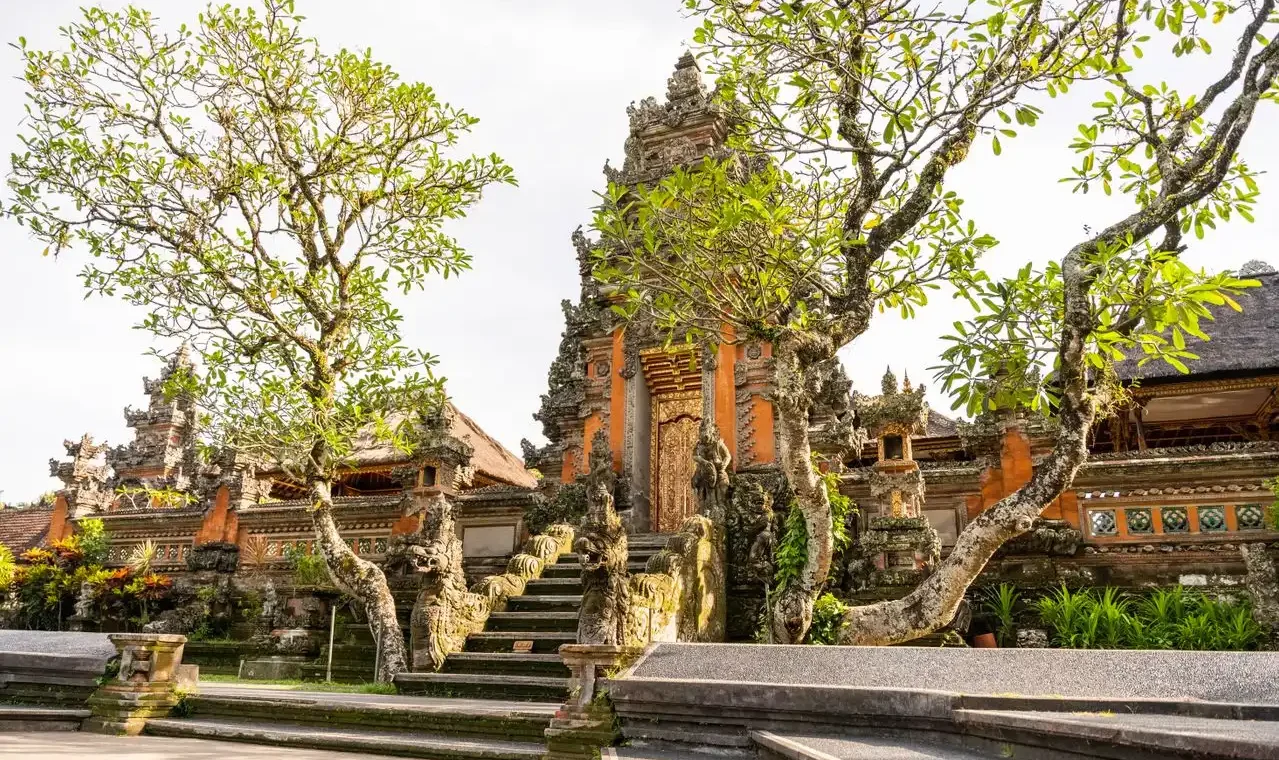
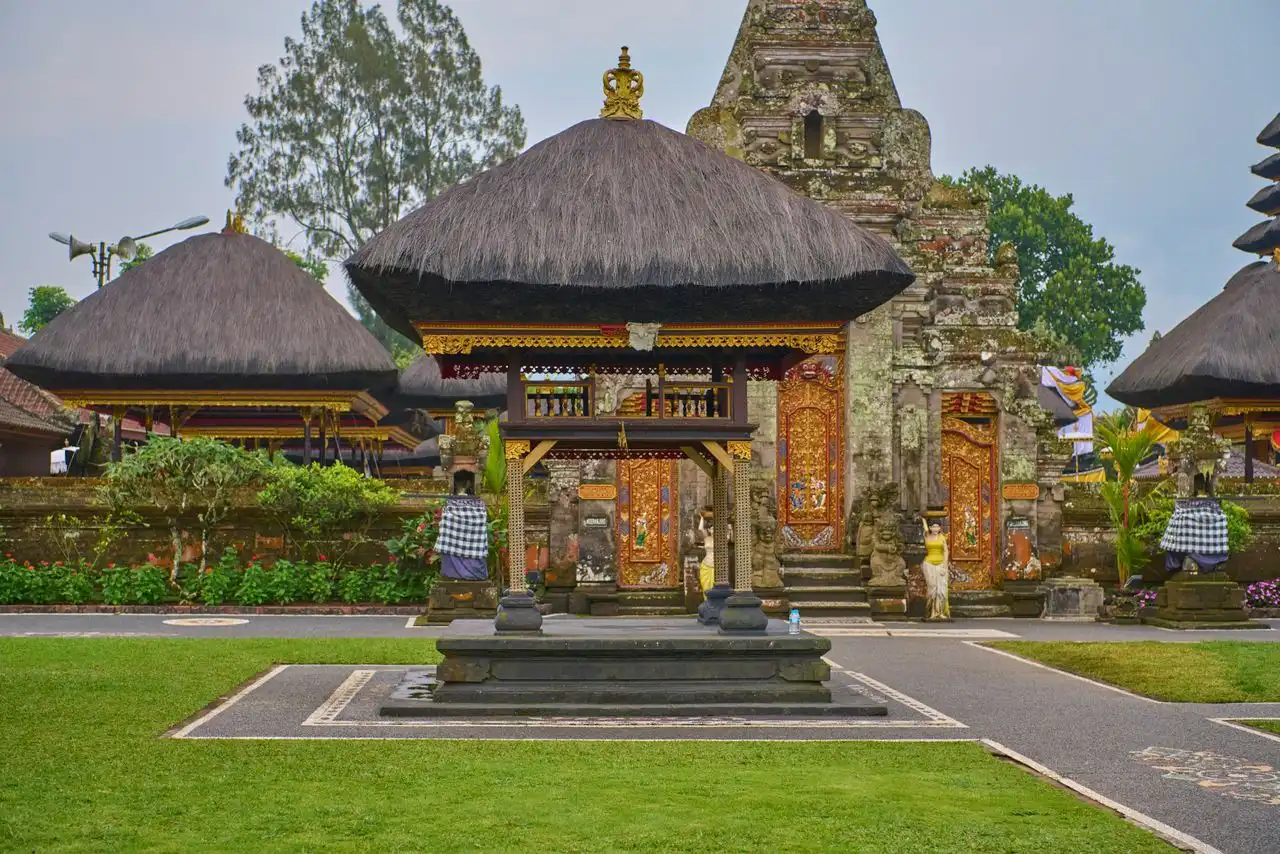
Taman Ayun sits in Mengwi, away from Bali’s busiest beach corridors. The name is often translated as beautiful garden, which fits the first impression: broad lawns, a surrounding moat, and shrines rising inside the inner temple area. Visitors usually view the most sacred zone from outside, so the experience is about reading the temple from its edges rather than walking through every space.
That boundary is part of the value. It reminds visitors that a temple can welcome guests while still protecting sacred areas for worship.
The Royal Story Without the Lecture
Taman Ayun is closely associated with the former Mengwi kingdom. It was designed as a royal family temple and a ceremonial center, not as a tourist attraction. Knowing this changes the visit. The scale, water features, and orderly courtyards reflect status, devotion, and the relationship between rulers, community, and the spiritual world.
For a traveler, that history turns the site from a pretty stop into a way to understand how power and religion have long shaped Balinese public spaces.
What to Look At First
– Notice the moat before the shrines; it gives the temple a protected, almost floating feeling.
– Compare the open garden areas with the restricted sacred zone.
– Look for the multi-tiered meru towers, which are among the temple’s strongest visual features.
– Watch how pathways guide visitors around the temple rather than directly into its center.
– Pay attention to local worshippers and ceremonies before raising a camera.
Etiquette That Keeps the Visit Smooth
Dress modestly and follow any sarong or sash requirements at the entrance. Even if your route stays outside the inner courtyard, the temple is still a place of worship. Keep your voice low near prayer areas, avoid climbing on walls or gates, and do not treat ceremonial offerings as props.
The most respectful approach is simple: move slowly, observe first, and photograph second.
When to Add It to Your Route
Taman Ayun works well for travelers staying in Ubud, Canggu, Seminyak, or southern Bali who want a cultural stop without committing to a long mountain route. It also pairs naturally with Mengwi, Sangeh, or a broader inland day.
Choose it when you want architecture, gardens, and historical meaning in one manageable visit. Skip the rush, give yourself time to circle the grounds, and the temple becomes more than a stop between bigger names.